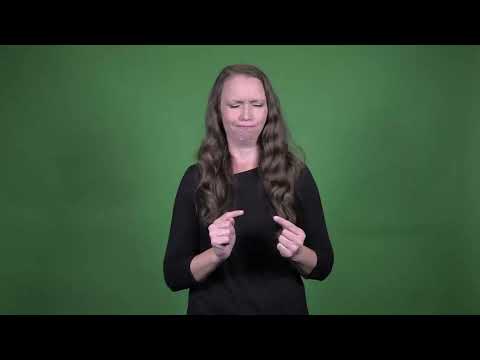
Sign for WOUNDED in ASL | ASL Dictionary

Definition: Injured or hurt. Sign for WOUNDED in ASL
YouTube player

Practice Activities

To fully grasp the sign for WOUNDED in ASL, it’s essential to engage in consistent and diverse practice. Start with mirror work: stand in front of a mirror and sign slowly while watching for correct handshape, movement, and facial expression. This helps reinforce muscle memory and visual feedback. Use recorded signing as a self-assessment tool. Record yourself performing the sign for WOUNDED in ASL and compare it to native signers in ASL video dictionaries or online learning platforms. Look for accuracy in angle, location, and intensity of movement. Incorporate the sign into real-life contexts. For example, describe scenes from war movies, emergency drills, or medical TV shows using ASL. Signing in context builds fluency and helps you understand when and why the sign for WOUNDED in ASL is appropriate. Advanced learners can benefit from structured drills. Try alternating between related signs like INJURED, HURT, or PAIN to build control and speed. Practice role-playing scenarios with a partner, such as paramedic interactions or storytelling sessions involving injuries. Group practice also boosts retention. Join ASL study groups or online forums where you can share videos or engage in live practice sessions. Seeing a variety of people use the sign for WOUNDED in ASL helps you recognize natural variation and improves comprehension.

SEO Cultural Context

In the Deaf community, the sign for WOUNDED in ASL carries more than just a physical implication—it can also convey emotional or metaphorical injury depending on the context. Like many signs in ASL, it is heavily influenced by facial expression and body language, which help deliver the nuance behind the message. In formal ASL, the sign for WOUNDED in ASL typically mimics the motion of a stabbing or puncturing action, often directed to a body part like the arm or torso. However, in informal settings or specific regions, you might see slight variations in the motion or intensity. These differences are accepted as long as they don’t confuse the meaning. Deaf culture values clarity and visual richness. When describing physical trauma, such as in a hospital or emergency situation, the sign for WOUNDED in ASL is often accompanied by classifiers or descriptive signs to add detail. This visual elaboration is not just linguistic—it’s cultural, reflecting the Deaf community’s emphasis on storytelling and visual context. It’s also important to understand that the sign for WOUNDED in ASL should be used respectfully. Avoid using it in a joking or exaggerated manner, especially when referring to serious injuries or real-life trauma. Cultural sensitivity is a key part of communicating respectfully in ASL.

Extended Definition

The sign for WOUNDED in ASL is generally made by using the index finger of one hand to jab or poke the opposite hand, often on the palm or arm. The motion mimics a sharp object causing an injury, which aligns with the meaning of “wounded” as a puncture or open injury. Facial expression plays a major role. A grimace, frown, or expression of pain adds emotional clarity to the sign. Without the appropriate facial markers, the sign may appear neutral or confusing to native users. This sign is often confused with HURT, which uses two index fingers pointing toward each other and twisting slightly in opposite directions. While HURT refers more generally to pain or discomfort, the sign for WOUNDED in ASL suggests a specific injury, often visible or severe. A related sign is INJURE, which shares visual similarities but differs in intensity and application. WOUNDED usually implies a more serious or visible injury, while INJURE might be used in broader contexts, including legal or emotional scenarios. Another common error is signing too gently or inaccurately targeting the body part. The motion should be deliberate and appropriately forceful to convey the severity of a wound. Practicing with anatomical accuracy can improve both clarity and realism.

Tips for Beginners

If you’re just starting out, learning the sign for WOUNDED in ASL may seem intense, but don’t be discouraged. Begin by mastering the handshape—your index finger should be firm and straight. Practice the movement slowly and deliberately, targeting common body parts like the arm or hand. Pay close attention to facial expression. A neutral or smiling face can completely change the meaning. Use a mirror to ensure that your expression matches the emotional weight of the word ‘wounded’. Beginners often confuse the sign for WOUNDED in ASL with more general signs like HURT or PAIN. To avoid this, focus on the stabbing or puncturing motion that characterizes the sign. Keep practicing short sentences like “He is wounded” or “The soldier was wounded” to reinforce context. Don’t rush to add speed. Clarity is more important than fluency at the beginning. As your confidence grows, you can begin to use the sign in longer narratives or role-play situations. Use online ASL resources to see the sign used by different signers. Exposure to various signing styles will deepen your understanding and help you recognize the sign for WOUNDED in ASL in diverse contexts.

Connections to Other Topics

The sign for WOUNDED in ASL is closely related to several other vocabulary signs that deal with health, trauma, and emotion. One of the most directly connected signs is HURT. While both involve pain, HURT is more general, and WOUNDED typically refers to serious or visible injuries. Another related concept is the sign for BLOOD. When describing a wound, it’s common to follow up with signs like BLEED or BLOOD to give more detail. These are frequently used together in narratives or medical settings. The sign for INJURED is also relevant. While WOUNDED often refers to a physical cut or stab, INJURED can be used more broadly and even metaphorically. Understanding the difference can help you choose the right sign for a specific context. You may also encounter the sign for ACCIDENT, which can be used before WOUNDED to describe the cause of the injury. This combination is useful in storytelling or when giving reports about incidents. Lastly, the sign for SOLDIER or WAR often appears in discussions where WOUNDED is used. In military or historical narratives in ASL, these signs help set the scene and provide context for the injuries being described.

Lengthy Summary

Mastering the sign for WOUNDED in ASL requires time, attention to detail, and cultural understanding. This sign, which uses a deliberate stabbing or poking motion, is rich in visual meaning and often enhanced by expressive facial cues. It’s more specific than general pain-related signs and typically refers to visible or serious injuries. To practice effectively, use mirrors, video recordings, and real-life scenarios. Incorporate the sign into storytelling and role-playing exercises to build fluency and comfort. Advanced learners can use drills and group work to refine their skills and understand regional variations. Understanding the cultural context behind the sign for WOUNDED in ASL is just as important as the handshapes and movement. This sign is used in both literal and metaphorical contexts and is often seen in medical, emergency, or dramatic storytelling. Respectful use and accurate expression are key to communicating effectively in the Deaf community. Beginners should focus on form and expression, avoiding common mistakes like soft movements or incorrect facial expressions. Recognizing related signs such as HURT, BLOOD, and INJURED can expand your vocabulary and improve your ability to convey complex ideas. The sign for WOUNDED in ASL also connects to broader themes like health, trauma, and narrative storytelling. Learning these related signs and their grammatical structures helps build a more complete understanding of ASL as a language. Keep practicing, stay curious, and don’t be afraid to ask for feedback. The more you use the sign for WOUNDED in ASL in real conversations, the more natural it will become. Keep signing, keep learning, and let your ASL journey grow stronger every day! Synonyms: Injured, Hurt, Damaged, Harmed, Bruised Educational resources: Find related learning materials in our course bank! Want more? Check out some of our popular learning activities on the homepage! Need to look up a sign? Use our highly rated dictionary: https://aslinteractive.com/best-asl-dictionary/ Follow us on tiktok: https://www.tiktok.com/@aslinteractive. More social media links at the bottom of this page! Long-tail Keywords: Categories: tags: injury signs, health-related signs, medical ASL vocabulary, describing pain in ASL, body anatomy signs

Want more? Check out some of our popular learning activities!

ASL Interactive Resources

ASLInteractive YouTube Channel

Follow us on tiktok: @aslinteractive.com

Follow us on Instagram: aslinteractive

Facebook page: aslinteractive

Facebook group: aslinteractive

LInkedIn: ASL Interactive LLC

Twitter: @ASL_interactive

*Some information on this page is AI-generated. AI can make mistakes. Please check the information.  

Responses