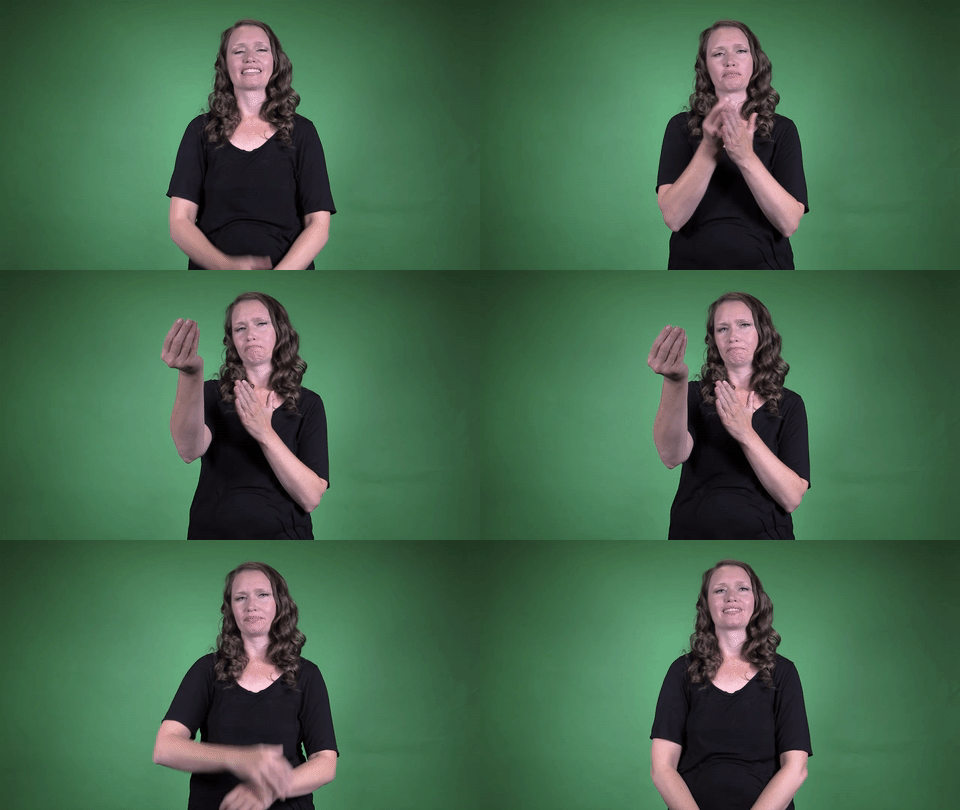
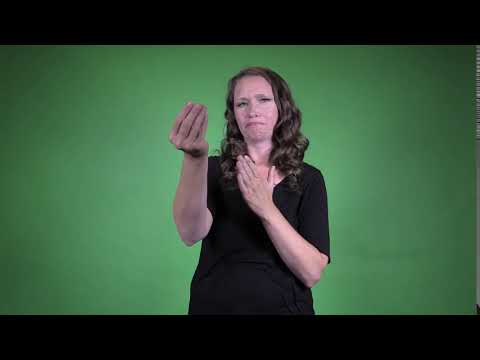
Definition: To obtain something by paying for it.
Sign for BUY in ASL

Practice Activities:
To build fluency with the sign for BUY in ASL, begin by practicing the sign in isolation. Stand in front of a mirror and repeat the motion multiple times, focusing on the smooth exchange from a flat hand giving imaginary money into the open palm of the other hand. Use your dominant hand to “pay” into the non-dominant hand consistently.
Next, incorporate the sign for BUY in ASL into simple sentences to build context. Try phrases such as “I buy food,” “She buys clothes,” or “We buy tickets.” Sign these slowly, then increase speed as you become more confident. Record yourself to evaluate your clarity and hand movement.
Create mini-dialogues using the sign for BUY in ASL. Role-play situations such as shopping at a market, buying lunch at school, or purchasing a gift. Alternate roles with a partner—one signs as the buyer, the other as the seller, then reverse roles. Focus on adding facial expressions that match the situation, such as satisfaction or surprise at a price.
Storytelling practice helps deepen understanding. Use the sign for BUY in ASL within a short story like, “Yesterday I went to the store. I saw a jacket. I loved it. I bought it.” Add transitions and supporting signs like WANT, SEE, and MONEY.
Label items around your home and use the sign in context. For example, pick up your phone and sign “I buy this yesterday.” Try making short videos where you showcase five items and sign something you might say when buying each one.
Interactive games like charades can also help. One person picks a word like “book,” and the others act out or sign a scenario including the sign for BUY in ASL. This keeps things fun and encourages creativity in using the sign.
Cultural Context:
In American Sign Language, the sign for BUY in ASL is more than just a simple transaction gesture. It reflects the cultural importance of independence, negotiation, and access in the Deaf community. Using this sign can connect to deeper values around self-reliance and equality in everyday situations where communication access may be limited.
The sign for BUY in ASL is used in a range of everyday contexts. Whether someone is shopping online, purchasing groceries, or discussing money and budgeting, this sign is a common part of casual and formal conversations. Knowing how to use this sign accurately can help foster clear and respectful interactions in both personal and professional settings ️.
In Deaf culture, access to information and autonomy are central values. The ability to talk about buying something clearly in ASL reflects the desire for equal participation in all aspects of life. By learning the sign for BUY in ASL, hearing and Deaf signers alike show respect for this core part of Deaf identity.
Deaf-led businesses and Deaf consumers are increasingly celebrated in the community. With more people encouraging support for Deaf-owned shops and creators, knowing the sign for BUY in ASL supports inclusive commerce . It allows people to converse naturally about spending habits, shopping preferences, and economic empowerment in ASL spaces.
Cultural context also includes body language and facial expressions. When using the sign for BUY in ASL, it’s important to watch how emotions like desire, hesitation, or excitement might show on someone’s face. These non-manual markers are a big part of fluency and help carry the tone of the conversation in social and commercial settings.
Using the sign for BUY in ASL can come up during Deaf events or even at community fundraisers. For example, attendees may use it when talking about silent auctions, raffles, or food purchases. It maintains respectful and fluid interaction in environments where voice communication isn’t present or preferred.
ASL often captures more than just the literal meaning of a transaction. The sign for BUY in ASL also connects to broader ideas of exchange, fairness, and value. These ideas resonate deeply within Deaf history where financial access and equality have been ongoing struggles .
In Deaf education, students learn the sign early because it connects to practical life skills. From school fundraisers to real-world shopping, children and adults alike use the sign for BUY in ASL in many learning and social settings. It’s one of the foundation signs for navigating the world confidently in ASL.
Social media and digital platforms have also expanded
Extended Definition:
The sign for buy in ASL is a useful and frequently used gesture in both casual and formal conversations. It’s often taught early to beginners because of how important the concept of purchasing and exchanging goods is in everyday life. Whether you’re shopping online, buying groceries, or discussing transactions, knowing this sign becomes essential.
To perform the sign for buy in ASL, begin by holding your non-dominant hand flat, palm-up, as if it’s a surface like a counter or a table. With your dominant hand, form a flat O handshape and touch it to your non-dominant palm. Then move your dominant hand outward and slightly upward, simulating the motion of handing money or an object to someone. This sign visually reflects the act of giving something in exchange for payment.
Just like many signs in American Sign Language, the meaning of the sign for buy in ASL can vary slightly depending on the context. In a sentence, it can indicate that someone bought something, plans to buy something, or is offering to purchase something. Facial expressions and body language help clarify when exactly the buying action took place or will happen.
There are also some variations of this sign that you might see depending on the region or the age of the signers, but the base movement usually remains the same. Some signers might make a more exaggerated motion, especially in storytelling or dramatic contexts to add emphasis. Still, the essential idea of transferring something remains clear.
When using this sign in conversation, you may pair it with other vocabulary like store, money, or what. For example, you might sign what did you buy or I want to buy this. The grammar structure in ASL allows for a flexible combination of signs, so learning how to integrate the sign for buy in ASL into everyday phrases enhances fluency significantly.
It’s also helpful in various settings including classrooms, job training programs, and social interactions. Teachers often use it in educational videos to teach financial concepts, while Deaf adults use it to discuss budgeting, shopping habits, and economic decisions. Its versatility makes it a staple sign across age groups and communities.
Understanding the origin can also deepen comprehension. The sign for buy in ASL originated from a combination of visual metaphor and practicality. ASL often uses gestures that mimic physical actions, and this sign mirrors the exchange of money or goods from one hand to another. This iconic system of visual representation is a hallmark of the language.
Digital communication and video content often use this sign to demonstrate consumer behavior or product
Synonyms: purchase, acquire, obtain, procure, make a purchase
Educational resources: Find related learning materials in our course bank!
Want more? Check out some of our popular learning activities on the homepage!
Need to look up a sign? Use our highly rated dictionary: https://aslinteractive.com/best-asl-dictionary/
Follow us on tiktok: https://www.tiktok.com/@aslinteractive. More social media links at the bottom of this page!
Long-tail Keywords: what is the sign for buy in asl, how do you sign buy in asl, buy in american sign language steps
Categories:
tags: Buy, Commands, Verbs, Everyday Activities, Basic Grammar
Parameters
*Handshape*:
The handshape used in the sign for BUY in ASL begins with the dominant hand in a flat “O” shape, where the tips of the fingers meet the thumb, resembling a closed position as if holding a coin. The non-dominant hand is flat and open, palm up, representing a surface like a counter or a hand receiving an object.
In the sign for BUY in ASL, the dominant hand taps the open palm of the non-dominant hand then moves forward slightly, indicating the transfer of money. This conveys the concept of purchasing or transaction, and the flat “O” handshape helps simulate exchanging currency .
*Palm Orientation*:
For the sign for BUY in ASL, the dominant hand starts in a flat “O” handshape and touches the palm of the non-dominant flat hand. The palm of the non-dominant hand faces up, while the dominant hand’s palm is angled slightly downward as it moves away from the body.
Throughout the movement, the palm orientation remains specific to emphasize the action in the sign for BUY in ASL. This visual direction is essential for clarity in meaning. ️
*Location*:
The sign for BUY in ASL is produced in the neutral space in front of the body, typically just above the waist. The dominant hand begins palm up on the non-dominant flat hand, then moves forward as if handing over money or a payment.
This location allows for clear visibility and natural motion, helping convey the transactional meaning of the sign for BUY in ASL ️. The positioning emphasizes a giving action, resonating with everyday signing context.
*Movement*:
Begin with your dominant hand in a flat “O” handshape, touching the fingertips to the open palm of your non-dominant hand, which faces up like a surface. Then, move the dominant hand forward and slightly upward, as if handing something to another person.
This motion represents the concept of transferring money or goods. The sign for BUY in ASL captures the transactional action visually and is commonly used in everyday conversations about shopping or purchasing something. ️
*Non-Manual Signals*:
The non-manual signals for the sign for BUY in ASL typically include a neutral or slightly pleasant facial expression depending on the context. If you’re asking a question, raise your eyebrows to indicate inquiry . When using the sign in a statement, maintain eye contact and a calm demeanor to show intention or action. Use subtle head movement forward to emphasize offering or giving when signing the sign for BUY in ASL.
*Prosody, Dominant/Non-Dominant Hand*:
In the sign for BUY in ASL, the dominant hand starts as a flat “O” shape (like holding an imaginary coin) palm up and brushes forward off the non-dominant flat hand, which faces up like a surface or counter. The movement mimics the action of handing money over. ️
This motion represents a transactional exchange, clearly depicting the meaning of the sign for BUY in ASL. The dominant hand moves forward while the non-dominant stays stationary, maintaining the structure of the sign.
Tips for Beginners:
When learning the sign for BUY in ASL, it’s important to focus on the movement and positioning of the hands. The sign involves one flat hand representing the surface or counter, while the dominant hand holds an imaginary item and moves it from the palm outward, as though handing money or purchasing something. This sweeping motion should be practiced fluidly to ensure the sign looks natural and not robotic.
Beginners often struggle with making the movement too small or too stiff. Make sure the motion is clear and deliberate. Imagining an actual exchange, like giving a dollar bill to a cashier, can help add realism to your gesture. Practice in front of a mirror to see if your motion looks smooth and confident.
Facial expressions also matter when using the sign for BUY in ASL. Context can change tone, so adding a neutral or positive facial expression when making a purchase in your sentence will make your communication clearer. If you’re expressing disbelief about a purchase, use an appropriate facial expression to match that emotion.
A common mistake is not positioning the base hand correctly. Keep your non-dominant hand steady and flat, palm-up, to act like a table. Sloppy hand positioning can confuse the sign with others like “give” or “pay.” Use repetition and slow practice to make sure every part of the motion is accurate and consistent.
Another great way to strengthen your skills with the sign for BUY in ASL is to use it contextually. Practice by signing sentences like “I buy food,” or “She bought shoes” to get comfortable with both subject placement and verb use in ASL grammar. This keeps your signing fluid and more natural in real conversations.
sign for BUY in ASL, ASL sign for buy, how to sign buy in American Sign Language, BUY sign ASL, learn ASL sign for BUY
Connections to Other topics:
The sign for BUY in ASL has strong connections to other commerce-related signs such as SELL, SHOP, PAY, and STORE. All of these signs often share similar handshapes and movements, reflecting the transactional theme they convey. For instance, BUY and SELL are conceptually linked by using similar directional motion—BUY moving outward from the signer and SELL typically reversed or directed toward the other person.
This sign also plays a key role in forming compound terms like BUY-HOUSE, BUY-CAR, or BUY-TICKET, where the action of purchasing is directly connected to the object. These compound signs help convey specific meanings in context, making conversations more fluid and efficient. Learners can benefit from practicing these combinations to understand how signs shift slightly in flow when combined.
In ASL storytelling or dialogues, the sign for BUY in ASL often pairs with time or frequency indicators such as YESTERDAY, EVERY-WEEK, or SOMETIMES to describe shopping habits. For example, BUY-GROCERIES-EVERY-WEEK becomes a clear and visual expression of a routine. It also links naturally with signs like MONEY, BUDGET, and EXPENSIVE to describe financial behavior.
Additionally, the sign aligns conceptually with GIVE and RECEIVE, especially when expressing actions involving transactions. These signs share similarities in directional movement, helping learners understand how ASL emphasizes the flow of action between people. This directionality allows even subtle changes to communicate who is buying and who is selling.
In discussions of online activity or digital economics, the sign for BUY in ASL can be adapted in context to suggest buying online (e.g., combining with COMPUTER or INTERNET). Signs like BUY-ONLINE or BUY-APP are innovations driven by technology, showing how the language evolves. Exploring these links reinforces the flexibility and depth of ASL in capturing everyday actions.
Summary:
The sign for BUY in ASL involves a clear, visually iconic motion that mimics the act of handing money or an item from one person to another. The dominant hand starts in a flattened “O” handshape, resting on the palm of the non-dominant open hand facing up, as if picking up imaginary money. Then the dominant hand arches outward, away from the body, to indicate a transaction or exchange.
This sign mirrors the act of offering payment or transferring an object, capturing the core idea behind a purchase. It’s a directional sign, meaning the movement of the hand can convey who is buying from whom. This adds complexity and fluency to the storytelling or explanation involving trading or financial exchange.
Directionality is crucial in ASL because it often replaces grammatical markers seen in spoken languages. The sign for BUY in ASL can move from the signer toward the recipient to indicate “I am buying from you,” or in the opposite direction to imply being the receiver in a transaction. This demonstrates ASL’s reliance on physical space to assign pronouns and sentence structure.
In contexts where more formal or figurative language is used, the sign for BUY in ASL might appear in phrases or idioms, extending beyond literal exchanges. For example, when someone metaphorically “buys an idea” or is “bought into a system,” the sign can combine with other concepts to reflect that nuance. This illustrates ASL’s adaptability in abstract discourse.
The sign visually connects with economic behavior, emphasizing the role of commerce in everyday life. In Deaf culture, economic independence is often an important topic, especially in relation to employment access, entrepreneurship, and financial literacy. The sign for BUY in ASL becomes a part of conversations about empowerment within the Deaf community.
BUY also intersects with broader semantic fields like sell, trade, pay, and money. These signs are often shared in educational and advocacy contexts within the Deaf community. Understanding how BUY relates to these other signs helps language learners improve vocabulary retention and understand cultural discussions more vividly.
When compared with related signs, SELL is typically the reverse of BUY—starting at the body and moving outward. This mirroring gives clarity to conversations involving commerce, providing a spatial metaphor that mirrors both giving and receiving. Learners often find such visual symmetry helpful for remembering sign distinctions.
Related signs like SHOP and BARGAIN bundle additional concepts with the core motion used in the sign for BUY in ASL. SHOP typically repeats the basic BUY movement and gestures to multiple imagined stores. BARGAIN may involve signs for DISCUSS or NEGOTIATE combined with trade-related gestures, illustrating functional transparency in ASL.
Linguistically, the sign for BUY in ASL is an example of an iconic sign. Iconic signs visually resemble the action or object they represent, contributing to intuitive understanding, especially for new learners. Despite its iconic nature, its usage and grammar still require contextual sensitivity.
In applied linguistics, the acquisition of iconic signs like BUY often occurs earlier because their visual parallels to real-world actions aid cognitive processing. Research has shown that learners of ASL often internalize these signs with fewer repetitions compared to more abstract or arbitrary signs. This supports teaching strategies that prioritize iconic and functional vocabulary during the early stages of learning.
From a classifier perspective, BUY itself isn’t a classifier but may be supplemented with classifiers in complex storytelling. For instance, one could describe buying multiple items by stacking motion sequences or switching between classifiers for size, quantity, or type of object. These additions enrich the narrative power of the sign.
Grammatically, the sign for BUY in ASL can be included in various sentence types—statements, questions, imperatives, and conditionals. The structure of these sentences doesn’t rely on English word order but rather on topic-comment syntax, non-manual markers like facial expressions, and directional cues. This triggers a shift in how learners conceptualize sentence formation.
The cultural context of the sign for BUY in ASL reflects nuanced themes of accessibility within capitalist societies. Conversations around purchasing power, Deaf-owned businesses, and economic advocacy are all conveyed through this core sign. It anchors discussions about visibility and opportunity within both Deaf and hearing spheres.
In Deaf history, BUY has symbolic weight. Stories of mutual aid, such as community members helping each other acquire resources or services, often feature the sign as part of larger narratives about solidarity. It’s more than a transaction—it can reflect unity and interdependence.
In comparison to international sign systems, the sign for BUY in ASL is relatively intuitive, though it differs from signs in British Sign Language or Auslan. This shows the regional specificity of visual language, even when concepts overlap globally. Language learners are often prompted to examine these differences through cross-cultural comparisons.
BUY also ties into digital and modern contexts. In ASL vlogs or online shopping discussions, the sign is adapted for commentary on e-commerce, cryptocurrency, or digital marketplaces. This reflects the sign’s evolution as new technology emerges, showing how ASL flexes with societal
Want more? Check out some of our popular learning activities!
ASL Interactive Resources
ASLInteractive YouTube Channel
Follow us on tiktok: @aslinteractive.com
Follow us on Instagram: aslinteractive
Facebook page: aslinteractive
Facebook group: aslinteractive
LInkedIn: ASL Interactive LLC
Twitter: @ASL_interactive
*Some information on this page is AI-generated. AI can make mistakes. Please check the information.


Responses