Practice Activities
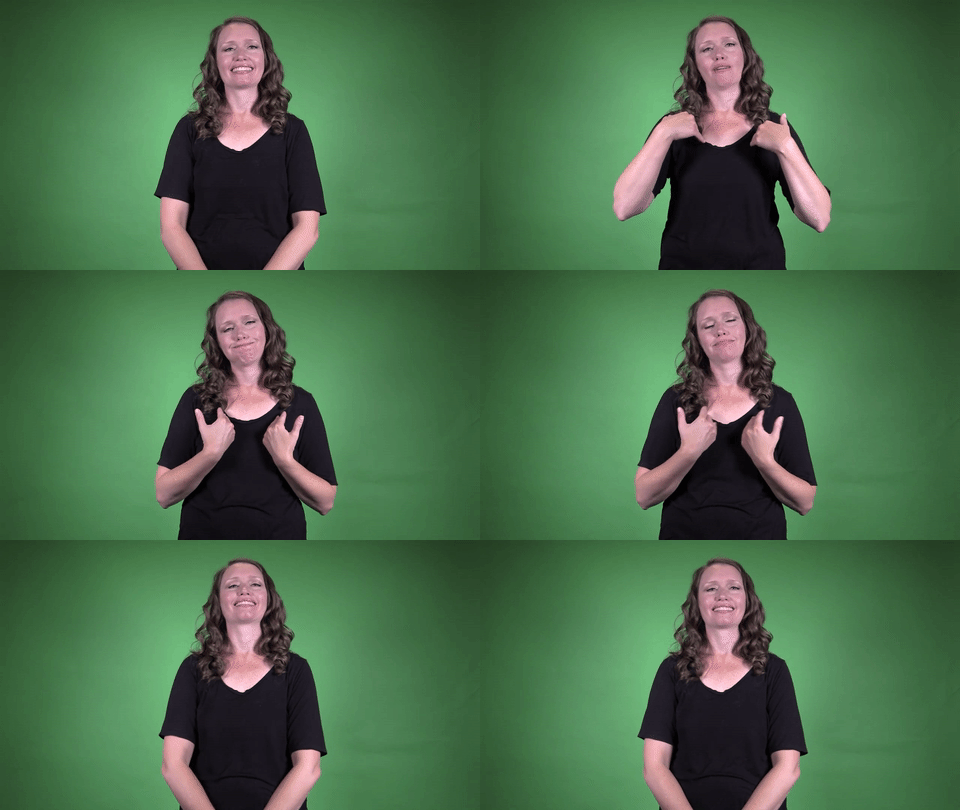
Practicing the sign for TIRED in ASL involves more than simply copying hand movements. It’s about mastering facial expressions, body posture, and fluid motion. Start with mirror work—stand in front of a mirror and watch your hand placement and body language. This sign uses a downward motion from the chest to show fatigue, and your shoulders should droop slightly to reflect the feeling of tiredness. Recording yourself signing is another great way to fine-tune your accuracy. Record short video clips of yourself doing the sign for TIRED in ASL, then compare your movements to native signers. Pay close attention to how your hands move from the chest, how your fingers are shaped, and how your facial expression communicates exhaustion. Signing in real-life contexts reinforces learning. Use the sign for TIRED in ASL during daily conversations, when discussing your day, or describing how you feel after a workout or long day at work. This helps you internalize the sign and use it naturally. Advanced learners can create drills where they combine TIRED with other emotion-based signs like HUNGRY, SICK, or HAPPY. Practicing these in succession helps develop fluency and speed. You can also engage in role-playing scenarios where one person describes physical states while the other interprets, enhancing both expressive and receptive skills.
SEO Cultural Context
Understanding the cultural context of the sign for TIRED in ASL deepens your appreciation for the language. In Deaf culture, facial expressions and body movement are essential parts of communication. The sign for TIRED in ASL is not just about hand shape—it conveys emotion through physical demeanor. Slouching shoulders and a weary face are as important as the hand motion itself. This sign is used frequently in everyday conversation among Deaf individuals. Whether you’re describing how you feel after school or expressing emotional fatigue, the sign for TIRED in ASL provides a clear and expressive way to share that experience. It’s a relatable concept, and the sign is often accompanied by other signs to describe why someone is tired—like WORK, STRESS, or NO SLEEP. Regionally, there may be subtle variations in how the sign is performed, particularly in how exaggerated the movement is. Some communities may have a more dramatic drop of the hands, while others keep it more subtle. Still, the root structure of the sign remains consistent across most dialects of ASL. Within Deaf culture, direct communication is valued. When someone signs that they are TIRED, it’s not just small talk—it’s a real expression of physical or emotional state. Honoring that honesty and learning the correct way to sign TIRED shows cultural respect and linguistic competence.
Extended Definition
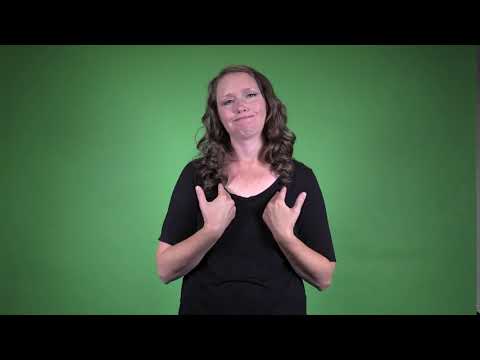
The sign for TIRED in ASL involves both hands in a curved “5” shape, placed at the chest level with the fingertips touching the upper chest. From there, the hands move downward in a slight arc while the shoulders slump and the facial expression reflects fatigue. This downward motion mimics the physical sensation of energy draining from the body. This sign is part of a broader category of signs that describe physical states and emotions. It’s often confused with signs like SICK or HURT, which also involve hand placement near the torso. However, the key difference is in the motion and non-manual markers. Unlike TIRED, the sign for SICK involves middle fingers touching the forehead and stomach, and the facial expression reflects discomfort rather than fatigue. Another common error is performing the sign too stiffly or without adequate facial expression. In ASL, grammar includes facial expressions and body language. A flat or emotionless face can change or weaken the meaning of the sign entirely. It’s also important not to confuse the sign for TIRED with signs like SLEEPY, which involves hand movement near the face and drooping eyelids. There are modified versions of the sign for TIRED in ASL used to express different intensities. For example, exaggerating the drop of the hands and slumping more heavily can indicate being exhausted or completely worn out. Conversely, a smaller motion can indicate mild tiredness.
Tips for Beginners3>
If you’re just starting to learn the sign for TIRED in ASL, it’s okay to take your time. Focus first on getting the handshape right—a curved “5” hand with fingers relaxed. Then, work on the motion, making sure your hands move downward naturally and your shoulders tilt slightly forward. Avoid the common mistake of making the sign too robotic. The sign for TIRED in ASL should reflect how you feel. Let your body show the heaviness of fatigue—drop your shoulders, lower your chin a bit, and add a tired expression to your face. These non-manual signals are key to conveying the full meaning. Practice every day, even if it’s just in front of the mirror. Watch videos of native signers and try to copy not just the hand movements but the overall demeanor. Remember, ASL is not just a manual language—it’s visual and expressive. Don’t get discouraged if it takes a while to feel natural. Everyone learns at their own pace. The most important thing is consistency and a willingness to keep trying. The sign for TIRED in ASL is foundational and will be useful in many conversations.
Connections to Other Topics
The sign for TIRED in ASL connects to a broader set of vocabulary related to physical and emotional states. One closely related sign is SLEEPY, which involves a hand motion near the eyes and a drooping of the eyelids. Both signs communicate a lack of energy but in different contexts—SLEEPY implies a need for rest, while TIRED can result from physical exertion or emotional strain. Another connected sign is EXHAUSTED, which is an intensified form of TIRED. It often involves more dramatic body movement and a heavier slump. Learning both helps learners express a range of fatigue levels in ASL. The sign for WORK often pairs with TIRED in conversations. Many people use both signs together to say they are tired from work. Practicing them in sequence helps learners understand how ASL sentences are structured. STRESSED is another useful sign that goes hand-in-hand with TIRED. While TIRED shows physical fatigue, STRESSED adds emotional or mental exhaustion to the picture. Knowing both signs allows for better emotional expression in ASL. Lastly, the sign for NEED can be combined with TIRED to form phrases like NEED REST or NEED SLEEP. This helps learners build more complex ideas and move toward conversational fluency. Understanding how to group signs like these gives learners the tools to express full thoughts.
Lengthy Summary
Mastering the sign for TIRED in ASL is an important step in developing fluency and emotional expressiveness in American Sign Language. More than a simple hand movement, this sign embodies the physical and emotional weight of fatigue. It requires attention to handshape, motion, posture, and facial expression to be clearly understood by native signers. Practice is essential. Use mirrors, videos, and real-life conversations to refine your skills. By integrating the sign into daily use and practicing it in combination with other related signs, you’ll build muscle memory and deepen your understanding of ASL grammar and structure. Recording yourself and comparing to native signers can help you catch subtle errors and improve accuracy. The cultural context of the sign for TIRED in ASL is grounded in the values of the Deaf community. It’s about honest, direct communication supported by expressive body language. Learning this sign respectfully and accurately shows cultural awareness and promotes deeper connection with Deaf individuals. Beginners should be patient and focus on both the hand movements and the emotional tone of the sign. Avoid stiffness, and don’t overlook the importance of facial expressions. Mistakes are part of learning. The key is to stay motivated and practice regularly. The sign for TIRED in ASL is part of a network of related vocabulary that includes SLEEPY, EXHAUSTED, STRESSED, and NEED. Learning these together strengthens your ability to express full ideas and navigate conversations about health, feelings, and daily life. Keep practicing the sign for TIRED in ASL until it feels natural and fluid. Engage with the Deaf community, watch ASL content, and sign with others whenever possible. The more you sign, the more confident and expressive you’ll become. Let this sign be a stepping stone toward deeper ASL fluency and cultural understanding. Synonyms: exhausted, fatigued, weary, drained, worn-out Educational resources: Find related learning materials in our course bank! Want more? Check out some of our popular learning activities on the homepage! Need to look up a sign? Use our highly rated dictionary: https://aslinteractive.com/best-asl-dictionary/ Follow us on tiktok: https://www.tiktok.com/@aslinteractive. More social media links at the bottom of this page! Long-tail Keywords: Categories: tags: feeling tired, emotions in ASL, ASL fatigue sign, how to sign feelings in ASL, describing energy levels in ASL
Want more? Check out some of our popular learning activities!
ASL Interactive Resources
ASLInteractive YouTube Channel
Follow us on tiktok: @aslinteractive.com
Follow us on Instagram: aslinteractive
Facebook page: aslinteractive
Facebook group: aslinteractive
LInkedIn: ASL Interactive LLC
Twitter: @ASL_interactive
*Some information on this page is AI-generated. AI can make mistakes. Please check the information.
Responses