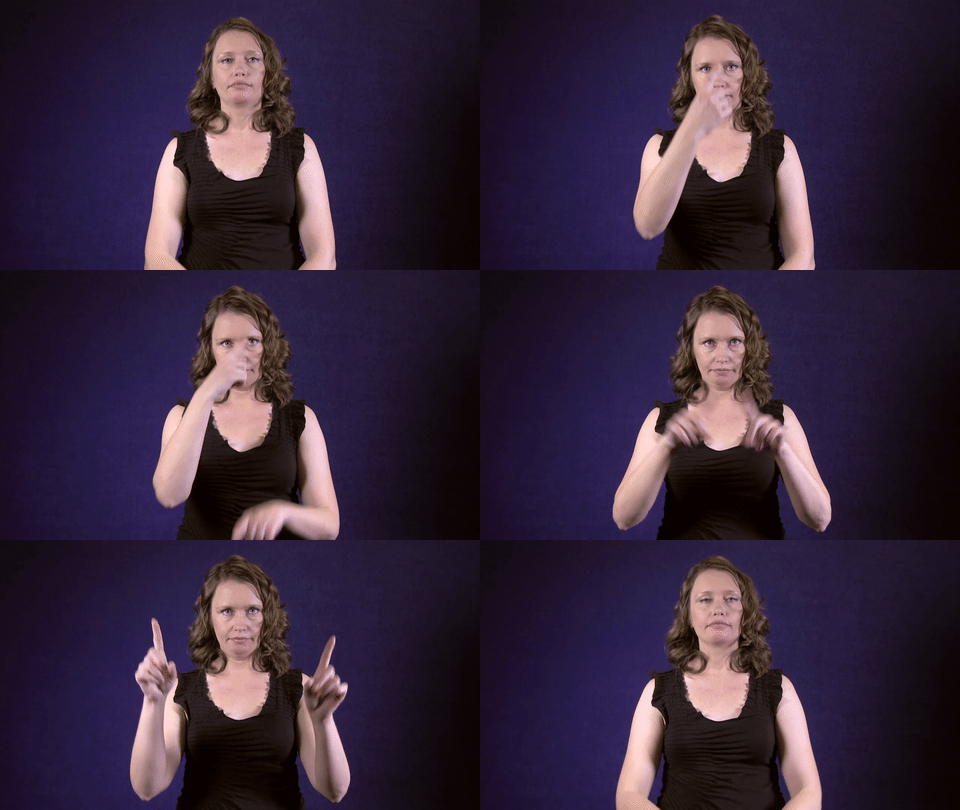
Definition: To not agree.
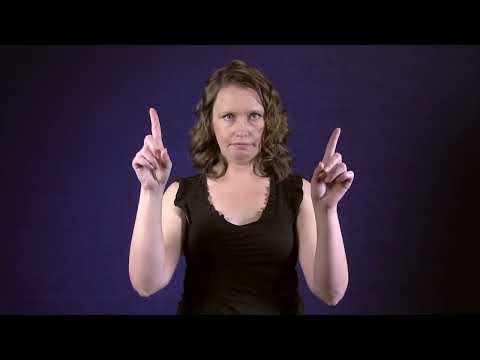
Sign for DISAGREE in ASL

Practice Activities:
To practice the sign for DISAGREE in ASL, begin by isolating the handshape and movement. Start by signing AGREE, then incorporate the wrist twist and separation of the index fingers to indicate the shift to DISAGREE. Do this in front of a mirror to check that your movements are clear and distinct. Repeat the sign rhythmically until it feels natural and fluid.
Move into creating simple sentences using the sign for DISAGREE in ASL. Try examples like: “I DISAGREE WITH YOU,” “MY FRIEND DISAGREE WITH ME OFTEN,” or “THEY ALWAYS DISAGREE ABOUT POLITICS.” Practice forming these sentences with expressive non-manual signals like head shaking or facial tension to emphasize meaning. Record yourself for playback and self-correction.
Work with a partner to practice opinion-based dialogues using the sign for DISAGREE in ASL. One learner might say they prefer summer, and the other can sign their disagreement and follow with an explanation. Create lists of common debate topics like pets vs. no pets, early mornings vs. late nights, or city vs. countryside. Switch sides and practice both agreeing and disagreeing to build vocabulary range and comfort.
Use storytelling to explore conflict and resolution. Create a short story where two characters DISAGREE about what to do for the weekend but eventually find a compromise. Include other relevant signs like DISCUSS, THINK, PLAN, and DECIDE. Present your story to a peer or instructor for feedback.
Incorporate real-life scenarios, such as a family discussion, school group project, or team decision-making. Sign out how disagreements might occur and get solved in each setting. The more you apply the sign for DISAGREE in ASL in real contexts, the more confident and fluent you will become.
Cultural Context:
Understanding the sign for DISAGREE in ASL involves more than knowing the motion of your hands. American Sign Language is deeply tied to culture and communication patterns within the Deaf community. When learning a sign like DISAGREE, it’s important to also understand how disagreement is typically expressed in Deaf interactions.
The sign for DISAGREE in ASL conveys a clear but respectful difference in opinion. In Deaf culture, direct communication is valued. That means showing disagreement in ASL isn’t considered rude—it’s seen as honest and straightforward.
The sign for DISAGREE in ASL combines the concepts of AGREE and NOT. This reflects how ideas are built in ASL with layers of meaning. The use of facial expression, body posture, and handshape helps communicate not just the disagreement but the intensity behind it.
Context is crucial when using the sign for DISAGREE in ASL. Depending on your facial expression and tone, the message can be soft and gentle or strong and firm. Deaf community norms often encourage clarity, so a firm shake of the head and proper eye contact can help enhance the message.
When you use the sign for DISAGREE in ASL, you’re participating in an interaction style that values openness. Disagreements are not avoided but approached with mutual respect. This differs from some spoken-language norms where people may soften or avoid disagreement.
It’s also helpful to understand how the sign for DISAGREE in ASL fits into cultural settings like Deaf schools or social events. Sharing different views and having open discussions are part of strong community engagement. Using the proper sign in the correct situation shows you respect cultural norms.
Children learning ASL often pick up on social cues around disagreement early on. The sign for DISAGREE in ASL becomes a part of their toolkit for honest communication. Teachers and caregivers may model the sign during classroom discussions or conflict resolution moments.
The sign for DISAGREE in ASL also plays an important role in debates, team activities, and group decisions. It’s often taught alongside signs for AGREE and THINK to encourage full expression of ideas. This helps children and adults in the Deaf community practice democratic communication.
In storytelling or drama within Deaf culture, the sign for DISAGREE in ASL might also be exaggerated for effect. This showcases the richness of ASL expression and its ability to portray complex emotional content. Storytellers use this familiar sign to create connections and deliver memorable narratives.
Understanding and using the sign for DISAGREE in ASL increases your fluency and
Extended Definition:
The sign for disagree in ASL is a combination of two core concepts: agree and not. This sign captures the transition from agreement to a contrasting opinion or point of view. It’s an expressive and visual way to show that someone does not share the same perspective or belief.
To sign disagree in ASL, you start by using the sign for agree. Touch the index fingers of both hands near your forehead, simulating a meeting of the minds. Then, pull your hands apart and shake your head slightly to indicate disagreement. This shows alignment turning into separation, a powerful visual metaphor used in American Sign Language.
Facial expressions play a key role in communicating the sign for disagree in ASL. A slight headshake or a look of disapproval further emphasizes the meaning. Without the right facial cues, the message might get lost or confused with other signs involving similar hand movements.
The sign for disagree in ASL is used in both casual and formal situations. Whether you’re in a classroom, at work, or among friends, this sign conveys respectful disagreement when words aren’t necessary. Its clarity makes it a valuable tool for any signer looking to express diverse opinions.
There are some variations depending on region or signer preference. Some signers might add a slight pause or a more exaggerated hand movement for extra emphasis. Understanding these variations helps deepen your fluency and cultural awareness within the Deaf community.
The concept behind the sign for disagree in ASL ties into the broader grammar of the language. ASL relies heavily on context and body language, so disagreement is not always just about the sign but how it’s presented. A firm facial expression or a dramatic pause can change how strong or soft the disagreement appears.
This sign is used frequently in conversations that involve debates, differing ideas, or feedback. You might see it during political discussions, academic dialogue, or negotiations. Knowing how to use the sign for disagree in ASL appropriately helps maintain respectful communication.
Teaching the sign for disagree to ASL learners promotes deeper understanding of perspective-taking. It prepares them to communicate fully in both positive and challenging interactions. It’s an essential sign for expressing independent thought in an inclusive and respectful way.
In signed conversations, transitions like the sign for disagree in ASL help create natural dialogue flow. They mark shifts in ideas and allow the person to express opposition without interrupting. This makes conversations dynamic and clear.
When learning new vocabulary, practicing the sign for disagree in ASL alongside emotional tone and context enhances retention. Pairing signs with expressions and real-world scenarios
Synonyms: differ, oppose, conflict, debate, contradict
Educational resources: Find related learning materials in our course bank!
Want more? Check out some of our popular learning activities on the homepage!
Need to look up a sign? Use our highly rated dictionary: https://aslinteractive.com/best-asl-dictionary/
Follow us on tiktok: https://www.tiktok.com/@aslinteractive. More social media links at the bottom of this page!
Long-tail Keywords: what is the sign for Disagree in ASL, how do you sign Disagree in American Sign Language, ASL sign for Disagree
Categories:
tags: Negation, Verbs, Language Learning, Commands, Everyday Activities
Parameters
*Handshape*:
The handshape for the sign for DISAGREE in ASL begins with both hands forming the index finger pointing handshape, similar to the number one. One hand touches the forehead to represent the idea or thought, then both index fingers move apart to show a difference or conflict.
This motion reinforces the concept behind the sign for DISAGREE in ASL. The initial contact and separation of fingers visually depict differing opinions or ideas ➡️↔️.
*Palm Orientation*:
The palm orientation for the sign for DISAGREE in ASL begins with both index fingers extended and pointing toward each other near the head. Palms face inward at the start, aligning near the temple area.
As the sign transitions, the hands move outward and away from each other with both palms rotating to face outward or slightly to the side. This change in orientation visually emphasizes the concept of differing opinions or contrast, key to expressing the sign for DISAGREE in ASL.
*Location*:
The sign for DISAGREE in ASL begins near the forehead, with the tips of the index fingers of both hands making contact. One hand starts at the temple, representing a thought or opinion, and the other starts near the opposite side of the head. The hands then move forward and away from each other—symbolizing a disagreement or difference of opinion.
This movement usually takes place in the signing space just in front of the face, emphasizing the personal or mental aspect of the concept. Because of the placement and directional motion, the location of the sign for DISAGREE in ASL helps visually convey opposing ideas.
*Movement*:
To perform the sign for DISAGREE in ASL, start with both index fingers extended. Bring the dominant hand’s index finger from the forehead outward, as in the sign for “think,” then move both hands apart from each other, palms facing in, as the index fingers meet briefly and separate. This shows a contrast or difference.
The sign for DISAGREE in ASL uses a clear directional motion to indicate differing opinions. The separation of the fingers at the end reinforces the meaning of not being in agreement.
*Non-Manual Signals*:
When performing the sign for disagree in ASL, the facial expression plays a key role. Eyebrows are typically furrowed, and the mouth may form a slight frown or a tight line to show disagreement or conflict.
The sign for disagree in ASL should be paired with a head shake or a slight lean backward to emphasize disapproval. Eye contact should remain firm, expressing clarity and contrast between ideas or opinions.
*Prosody, Dominant/Non-Dominant Hand*:
The sign for disagree in ASL uses both hands. The dominant hand starts with the index finger touching the index finger of the non-dominant hand near the forehead, mimicking the sign for “think” or “same.” Then, both index fingers move apart and point outward, symbolizing differences or contradiction. This motion clearly expresses the meaning behind the sign for disagree in ASL and highlights opposing viewpoints.
The dominant hand typically leads the movement, while the non-dominant hand stays relatively stable at first before separating. Facial expression plays a key role—an expression of conflict or contradiction enhances the clarity of the sign for disagree in ASL.
Tips for Beginners:
When learning the sign for DISAGREE in ASL, keep in mind it’s a two-part movement involving both facial expression and clear hand movement. You’ll start with both index fingers pointing toward each other near your temples, and then move them apart as if you’re separating two ideas. It’s important to not rush this movement; smooth, deliberate motion adds clarity.
Facial expression plays a major role in making the sign for DISAGREE in ASL effective. Use a frown or a head shake to support the meaning visually. Without the right expression, your message may come off as neutral or unclear, especially to fluent signers. Practice in front of a mirror to match your face to your hand movements.
Make sure your finger direction and movement are purposeful. One common mistake is pointing too far forward or not clearly separating the index fingers, which can confuse the sign with AGREE. Keep your hands at head level and keep movements compact but expressive to be understood clearly.
Engage in slow repetition at first. Many beginners try to speed up the motion before it’s accurate. Prioritize muscle memory and consistency. Focus on fully forming each stage of the sign for DISAGREE in ASL before you attempt quicker signing.
Watch how native signers execute it in daily conversation or videos; this provides context. It’s especially helpful to observe how this sign connects with the signs before and after it, maintaining sentence flow. Try using the sign in simple phrases such as “I disagree,” to build fluency.
Lastly, don’t forget to ask for feedback from fluent signers or instructors. They can correct subtle handshape or movement errors early on. The more you observe and practice, the more confident and natural your use of the sign for DISAGREE in ASL will become. ு
sign for disagree in asl, sign for i disagree in asl, how to sign disagree in american sign language, asl sign for disagree meaning, disagree sign language usage tips
Connections to Other topics:
The sign for DISAGREE in ASL offers a clear visual contrast to the sign for AGREE, highlighting the concept of opposition or conflict in opinion. This distinction supports a broader understanding of how ASL conveys dualities and contrastive ideas through sign movement and placement. In this case, the agreement turning into disagreement is shown by a directional and expressive change, reinforcing the meaning of dissent.
The sign also connects to conversational strategies in ASL, such as using facial expressions and body shifts to indicate differing opinions or debates. It is often paired with signs like THINK, NOT, or DIFFERENT to add context or explain the reason for opposition more deeply. For example, combining THINK and DISAGREE emphasizes cognitive differences, such as “I think differently,” instead of just a surface-level disagreement.
Learners can explore signs like ARGUE, DEBATE, and CONFLICT, which conceptually overlap with the sign for DISAGREE in ASL. These signs all share a visual emphasis on opposition or clashing and can be used in nuanced layers of conversation depending on the intent or seriousness of the disagreement. For instance, using the sign for DEBATE implies a formal and perhaps respectful disagreement, while ARGUE might express a more emotional exchange.
Signs such as MISUNDERSTAND and CONFUSE may also show up in contexts where a disagreement arises from a lack of clarity or communication, making them useful for explaining why people DISAGREE. This semantic overlap deepens vocabulary and understanding.
In compound constructions, the sign for DISAGREE in ASL can be used in phrases like DON’T AGREE, NOT SAME, or OPPOSITE VIEWS, which help build conversational fluency. These combinations allow signers to express a range of ideas related to discord while supporting syntactic flexibility. Learners will benefit from recognizing these relationships in everyday discussions .
Summary:
The sign for DISAGREE in ASL is a combination sign that visually shows the concept of two contrasting ideas or people not aligning. It begins with two index fingers touching at the tips near the front of the chest or in front of the mouth area to suggest agreement, and then pulling apart in opposite directions to indicate disparity or conflict.
This sign effectively communicates the concept of differing opinions or perspectives. The separation of the fingers mirrors the metaphorical separation between two people or ideas. This visual metaphor makes the sign intuitive even for those new to ASL.
In terms of handshape, each hand uses the index finger, forming an “1” handshape. The motion of separating these fingers is what transforms the shared space of agreement into the divided space of disagreement. Some signers may include a simultaneous change in facial expression such as a frown or raised eyebrows to emphasize the emotional tone of disagreement.
Facial grammar plays a major role when using the sign for DISAGREE in ASL. Nonmanual markers like head shaking, raised eyebrows, or pursed lips can reinforce whether the disagreement is casual, shocked, or intense. In receptive ASL, these grammatical cues give the sign its emotional context.
ASL signs often reflect core aspects of human experience, and disagreement is a universal theme across languages and cultures. The sign for DISAGREE in ASL captures not only the action of disagreeing but also the cognitive dissonance that can arise between two parties. This shows how ASL provides a rich, layered way to communicate abstract ideas.
The sign shares conceptual space with ASL signs such as AGREE, ARGUE, OPPOSE, and DIFFERENT. It lies semantically between AGREE and ARGUE, expressing more division than DIFFERENT, but not necessarily the heated dynamic of ARGUE. This makes it very useful in both casual and formal conversations.
The grammar of the sign for DISAGREE in ASL can shift depending on syntax. For example, in question formations, the brows may be raised while using the sign to ask if someone disagrees. In declarative statements, a subtle head tilt or strong expression might make the statement more direct or personal.
From a linguistic standpoint, the sign for DISAGREE in ASL is a compound of AGREE and a physical negation. This iconographic structure reflects how ASL builds meaning by motion and juxtaposition. Constructed in space, the act of breaking the link between fingers aligns semantically with the concept of opposing views.
Applied linguistics benefits from examining how ASL uses visual space to convey contrast. In spoken English, the tone might communicate dissent. In ASL, the space between fingers communicates it. The sign for DISAGREE in ASL becomes a prime example of the embodied nature of visual languages.
Cultural competence in ASL also involves understanding how different communities use signs like this. Particularly in Deaf culture, where directness is valued, disagreement is often expressed clearly rather than softened. Hence, the sign for DISAGREE in ASL becomes a symbol of authenticity and openness in discourse.
In peer discussions within Deaf spaces, the use of DISAGREE is often reliable and respectful. There’s a strong cultural emphasis on clarity and transparency in opinions. This promotes a rhetorical environment where differing views are welcomed rather than avoided.
The sign for DISAGREE in ASL also holds pedagogical value, especially in programs designed for Deaf education. Teaching this sign allows students to learn how to resolve conflict, express contrasting opinions, and participate in critical thinking. It serves as a linguistic scaffold for constructing arguments and valuing diverse views.
It also plays a crucial role in interpreters’ toolkits. When English speakers use phrases like “I don’t think so” or “That’s not right,” interpreters may choose the sign for DISAGREE in ASL for clarity and to maintain equivalency of meaning. The sign has a precision that allows it to map well onto many English expressions of oppositional thought.
Emotionally, the sign for DISAGREE in ASL can be gentle or intense based on context. A soft motion of finger separation with a smile might indicate a mild dispute, while a sharp break with a firm facial expression signals a serious contradiction. This makes the sign highly flexible across communicative registers.
The nonverbal phonology of the sign contributes to its recognizability and intuitive execution. It transforms a static “agreement” shape into motion, visually depicting the unraveling of consensus. Such movement is central to the effectiveness of the sign meaningfully representing the concept of dissent.
For learners of ASL, mastering the sign for DISAGREE requires sensitivity to both physical articulation and social context. Using the sign without matching facial expressions can create confusion or come off as mechanical. It’s important to mirror the emotional intent with facial cues for full clarity.
The sign integrates well into larger signed conversations that explore debate, disagreement, or discourse. It can be used in discussions about politics, ethics, preferences, or personal
Want more? Check out some of our popular learning activities!
ASL Interactive Resources
ASLInteractive YouTube Channel
Follow us on tiktok: @aslinteractive.com
Follow us on Instagram: aslinteractive
Facebook page: aslinteractive
Facebook group: aslinteractive
LInkedIn: ASL Interactive LLC
Twitter: @ASL_interactive
*Some information on this page is AI-generated. AI can make mistakes. Please check the information.

Responses