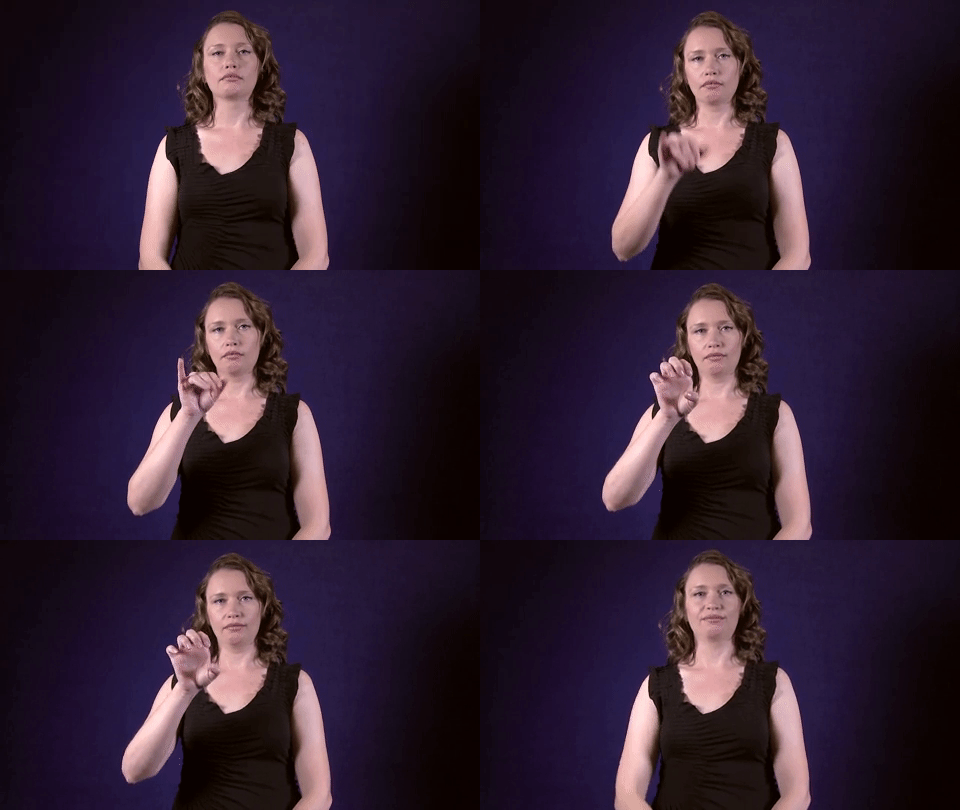
Sign for ICE in ASL | ASL Dictionary

Definition: Frozen water.

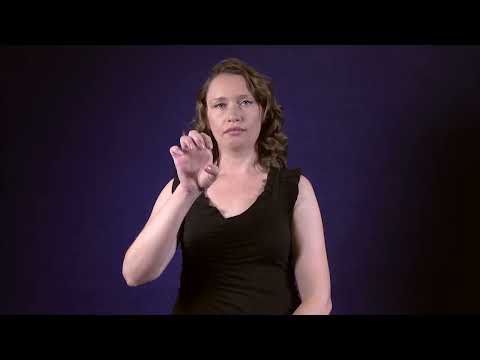
Sign for ICE in ASL

YouTube player

Practice Activities:

To master the sign for ICE in ASL, begin by practicing it in front of a mirror. Focus on the motion, which typically includes a cupped hand shape transitioning into a clawing or flicking movement on the surface, mimicking the feeling of ice. Repeat it multiple times with attention to maintaining a smooth and consistent flow.

Next, try isolating the sign in short phrases like “cold ice,” “ice water,” and “slip on ice.” Alternate your speed and facial expressions to reflect different contexts—for example, a surprised face for “slip on ice” versus a neutral one for “ice water.” Repeating these variations will help cement the movement and improve fluency.

Integrate the sign for ICE in ASL into full sentences such as “I want ice in my drink,” or “The road is covered with ice.” Practice these sentences aloud while signing them so that you become comfortable with both the gesture and hand-mouth coordination. Record yourself to evaluate your clarity and fluency.

Use storytelling to reinforce usage. Try a short narrative like going outside on a snowy day and slipping on the ice. Incorporate other signs such as SNOW, COLD, FALL, and PAIN to build broader fluency and context skills. This storytelling will help you recall the sign naturally during conversations.

In a partner practice activity, take turns acting out scenarios where ice is involved. One partner describes a situation using signs, and the other identifies and signs key concepts back. You can also play a guessing game where one person signs a phrase involving ICE and the other guesses the full sentence.

Finally, incorporate emoji use as cues for flashcard study or for asking your partner to sign back for review. Using the sign for ICE in ASL in these different contexts will help you achieve both clarity and comfort with the target vocabulary.

Cultural Context:

In American Sign Language, the sign for ICE in ASL carries both a literal and cultural meaning. While it typically refers to frozen water, in everyday conversation, ICE can also evoke seasonal, environmental, and even emotional associations within the Deaf community.

The physical properties of ice, like its coldness and slipperiness, are often used metaphorically in communication. In ASL storytelling and poetry, the sign for ICE in ASL might represent emotional distance, isolation, or transformation. These layered meanings make the sign more than just a simple gesture—it becomes a deeper expression tied to experience and emotion.

When talking about weather, the sign for ICE in ASL is commonly used during winter months or when describing hazardous road conditions. Native ASL users often include this sign in conversations about snow, freezing rain, and storm preparation. It’s a key part of any vocabulary set related to climate and daily life.

In cooking and food-related discussions, the sign for ICE in ASL helps Deaf individuals talk about cold drinks, desserts, or ice-filled coolers. Whether at a restaurant or a family gathering, it’s essential for clear communication about preferences and choices. This daily usage keeps the sign relevant and widely recognized.

ICE also appears in recreational contexts, such as ice skating, snowball fights, or chilled beverages at parties. The sign for ICE in ASL plays a valuable role in describing fun experiences tied to cold weather or celebrations. It’s an expression of joy and shared activities within the community.

Cultural traditions tied to winter behaviors often incorporate the sign for ICE in ASL. When Deaf children learn about holidays and seasonal events, ICE becomes part of the language used to share stories and participate in cultural rituals. Its use enhances their understanding of seasonal change and holiday customs.

The Deaf community places strong emphasis on language accuracy and visual clarity. The sign for ICE in ASL reflects this by incorporating movement and facial expressions to mimic the sensation of cold or slipping. This strong visual component brings life and nuance to conversations.

Additionally, the sign for ICE in ASL may be modified depending on age, region, or context. Variations exist that reflect personal experiences or regional dialects within ASL. This flexibility shows the richness of the language and how signs evolve over time with cultural influences.

In today’s world, talking about ICE can also bring up political ideas such as immigration enforcement in the United States. While that ICE has a different meaning, it’s important in ASL to rely on clear context and facial expression to avoid

Extended Definition:

The sign for ice in ASL typically involves showing the concept of a slick or frozen surface. It often begins with open hands, palms facing down, then transitioning into clawed handshapes to represent the texture and hardness of ice. This tactile imagery helps communicate a substance that is cold, slippery, and solid.

When signing the word ice, facial expressions play a big role in conveying the sensation of cold or discomfort. A slight shiver or a cold facial expression adds extra meaning to the sign for ice in ASL. These non-manual markers enhance clarity and ensure the concept is understood clearly in conversation.

The sign for ice in ASL may vary slightly based on the context in which it’s used. For example, if you’re talking about iced drinks, you might combine the general sign for ice with the sign for drink or coffee. In other situations, such as describing icy roads, the sign might include directional movement across the ground-level space to imply the spread of ice.

ASL is a visual language, so descriptive elements like hand shape, location, movement, and facial expression are all essential. When teaching or learning the sign for ice in ASL, it’s helpful to watch videos or observe fluent signers to get a feel for the motion and visual tone. This is especially true for signs that depict physical sensations or environmental features.

Depending on region or individual preference, some people may use variations of the sign that emphasize different aspects, like the shimmering effect of ice or the way it melts. ASL is not a standardized language in the same way spoken English is, so small differences in the execution of the sign for ice may still be completely acceptable.

Younger deaf signers or those newly learning ASL might simplify the motion, reducing its clarity. That’s why practice and visual reinforcement are important when learning the correct way to sign everyday words. Using the sign for ice in ASL accurately helps improve fluid communication and mutual understanding in conversations.

This sign is often taught early on to help learners describe temperature, weather, and everyday items like food or drinks. Having a strong grasp of vocabulary like cold, ice, snow, and winter lays a good foundation for further exploring seasonal and environmental topics in ASL. The sign for ice in ASL links closely with other cold-related signs, making it a key word for building fluency.

In storytelling or everyday situations, ice can be used metaphorically or literally. A cold attitude or a frozen heart might be dramatized using animated signs and vivid expressions

Synonyms: frozen water, frost, glaze, ice crystal, ice sheet

Educational resources: Find related learning materials in our course bank!

Want more? Check out some of our popular learning activities on the homepage!

Need to look up a sign? Use our highly rated dictionary: https://aslinteractive.com/best-asl-dictionary/

Follow us on tiktok: https://www.tiktok.com/@aslinteractive. More social media links at the bottom of this page!

Long-tail Keywords: what is the sign for ice in ASL, how do you sign ice in ASL, learn the ASL sign for ice

Categories:

tags: ice-related ASL vocabulary, weather signs in ASL, environment signs ASL dictionary, basic ASL signs for beginners, nature-related ASL terms

Parameters

*Handshape*:

The handshape for the sign for ICE in ASL involves both hands beginning with open, flat hands facing downward, palms touching a surface. Then, the fingers curl slightly like claws as they pull back across the imagined surface, mimicking the feeling of cold or slippery ice ❄️. This movement captures the texture and sensory experience represented by the sign for ICE in ASL.

*Palm Orientation*:

For the sign for ICE in ASL, both hands start in front of the body with palms facing downward. As the sign is made, the fingers wiggle slightly while the hands pull slightly back toward the signer. This motion mimics the sensation of coldness or something icy, helping to visually express the concept.

The palm orientation is crucial to clearly convey the meaning of the sign for ICE in ASL, as the downward palms and finger movement resemble frost or ice forming. Consistent palm direction enhances clarity in everyday use.

*Location*:

The sign for ICE in ASL is typically produced in the neutral space in front of the torso. Hands start open and facing down near chest level, then move slightly outward while fingers curl as if mimicking a cold or frozen sensation.

This location allows for clear visibility in the signing space and supports the visual metaphor of a cold surface. The sign for ICE in ASL uses body positioning to reflect the texture and sensation of ice ❄️.

*Movement*:

Start with both hands open, palms facing downward, fingertips angled slightly toward each other near the chest. Fingers then curl slightly and pull downward a short distance, simulating something slick or cold. The movement mimics the sensation of touching something icy or slippery.

This natural gesture in the sign for ICE in ASL captures the texture of ice forming or melting. Facial expression should complement the motion by showing a chilly or surprised reaction .

*Non-Manual Signals*:

When demonstrating the sign for ICE in ASL, your facial expression should convey a slight chill or discomfort, as if reacting to something cold ❄️. Slightly puff out your cheeks or bring your lips forward, simulating a bracing reaction to ice touching your skin.

Raise your eyebrows mildly to emphasize the texture or sharp chill associated with ice. The non-manual signals help reinforce the meaning of the sign for ICE in ASL by adding a sensory layer to the visual representation.

*Prosody, Dominant/Non-Dominant Hand*:

The dominant hand in the sign for ICE in ASL begins in a claw shape, palms down, and slightly to the front of the torso. Both hands open loosely as if gripping something slippery, then pull slightly back while your fingers wiggle, mimicking the cold or slippery surface of ice. ❄️

The non-dominant hand mirrors the dominant in shape and movement. The sign for ICE in ASL captures the texture and sensation of coldness, like something icy melting or cracking under your hands.

Tips for Beginners:

When learning the sign for ICE in ASL, it’s important to focus on precision in your movement and finger positioning. The sign typically begins with both hands open, palms down, and fingers spread slightly apart. Then, pulling slightly back, your fingers curl as if gripping something cold or frozen. Be mindful that this motion should be smooth and fluid—not too abrupt or stiff.

A common pitfall is forgetting to show the sensation of coldness or slipperiness in your expression or hand motion. Facial expressions are essential in ASL, so pairing the sign for ICE in ASL with a slight shiver or look of chilliness adds clarity and natural emphasis. Practice both the hand motions and your non-manual markers in front of a mirror so you can evaluate your accuracy and emotive expression.

Beginners often confuse signs for different frozen items, like snow or frost, so be sure you’re learning the correct context. The sign for ICE in ASL is specifically used to describe frozen water or something ice-like, like an ice cube or icy ground—not general cold weather. Context will often guide you in selecting the right version of a sign.

Try incorporating the sign for ICE in ASL into phrases, such as “ICE on road” or “Put ICE in drink,” to develop fluency in full sentence use. Signing in context helps with muscle memory and makes the sign more natural over time. Repetition in context solidifies recall and improves clarity.

Another tip: watch native signers perform the sign through reputable ASL video dictionaries or YouTube channels. Seeing multiple variations of fluent signers using the sign for ICE in ASL can help you distinguish style from error. Practice often, sign with intention, and always check for cultural and regional differences in use.

Connections to Other topics:

The sign for ICE in ASL connects closely with texture-based and material-related signs, such as COLD, FROZEN, and WATER. It typically involves a movement that mimics slipping or a slick surface, closely tying it to other signs that involve physical sensations or temperature. These connections help reinforce the concept through sensory imagery, making it easier for visual learners to remember.

In context, the sign for ICE in ASL may come up as part of compound signs or phrases. For instance, ICE-CREAM is a common term where the root sign ICE can inform a learner’s understanding—even though ICE-CREAM has its own distinct sign. Similarly, signs like ICE-SKATE or ICE-WATER are made by combining the basic ICE sign with descriptive or related terms to form clear, visual representations.

The sign for ICE in ASL also links to environmental concepts. When discussing weather, ICE may appear in phrases such as ICE-STORM or BLACK ICE—both of which often incorporate descriptive classifiers or need fingerspelled support for clarity. This connection helps learners broaden their vocabulary in contexts like news, safety, or travel warnings.

Another connection is to the visual quality of slips or accidents, where ICE is sometimes signed in conjunction with FALL or SLIDE to convey how slippery conditions result in action. This combination of signs helps tell short visual narratives, commonly used in storytelling or recounting real-life events in ASL.

Understanding the sign for ICE in ASL opens pathways to learning more about temperature, seasons, sports, and food-related terms. It is a gateway to expanding communication in everyday and academic settings, providing both functional and creative uses for the sign. This versatility ensures its relevance in both casual and formal contexts.

Summary:

The sign for ICE in ASL involves a visual metaphor that mimics the cold slickness of ice. To create it, begin by holding both hands in bent-5 handshapes, fingertips pointing downward, and then slide them across a flat surface as if gliding over ice. At the end of the movement, curl the fingers slightly as if fingers are freezing or sticking to a surface.

This gesture gives a tactile sense of something both cold and hard. Many signers associate the sign with the physical sensation of touching ice or slipping on its surface. That physical mimicry helps the sign stay intuitive and easy to remember.

The sign for ICE in ASL relies on the visual-spatial modality of ASL to express temperature and texture simultaneously. It captures the sensory idea of ice rather than just naming it. ASL often uses these embodied concepts to connect language with tangible experience.

As a noun, ICE generally refers to frozen water, and the sign is appropriate for talking about literal ice — cubes, frozen lakes, or frosty sidewalks. It can also be extended metaphorically, depending on context, to express emotional coldness or isolation. The flexibility of ASL, especially with facial expressions, allows the sign to shift meaning as needed.

When paired with adjectives or classifiers, the sign for ICE in ASL can describe conditions like slippery roads or chilling temperatures. It can be combined with other signs, such as COLD, WEATHER, or SLIP, to deepen the message. Facial expressions often intensify the imagery, like squinting or shivering to show coldness.

In narratives, especially in storytelling or poetry in ASL, the sign for ICE can also build visual metaphors. For instance, describing a character as being made of ice might suggest emotional rigidity or detachment. These meanings come through with careful use of body and face, enhancing the cultural richness of ASL.

Spoken English may use the word ice metaphorically — “breaking the ice,” “ice-cold stare,” or “put it on ice.” In ASL, some of these idioms have cultural equivalents. For “breaking the ice,” a visual sign involving cracking or opening might be used to convey the same concept.

Classifier use in ASL also opens up additional expression around ice. For instance, CL:1 might show someone sliding on ice, while CL:5 can depict the wide sheet of a frozen lake. Turning the palms upward for dripping water can transition from ICE to MELT, showing time and transformation.

The flexibility of the sign for ICE in ASL aligns with linguistic principles of modality. ASL thrives on spatial reasoning and iconic mapping from the physical world. Ice, being a tangible and visible object, offers a perfect opportunity to use those features for communication.

In ASL syntax, the sign fits grammatically like any noun. One might sign TODAY COLD, ICE EVERYWHERE to say it’s icy outside. The order might shift slightly for emphasis or rhythm, depending on the conversation.

Children learning the sign for ICE in ASL often laugh or react when they understand that the hands represent slipping. The sensorial connection between sign and experience strengthens memory. Educators frequently use real-life experiences, like touching a cold cup, to introduce the sign.

In Deaf culture, signs that mimic real-world sensation hold strong value. The community prizes signs that are accessible and that strengthen language through experience. The sign for ICE in ASL remains consistent across regions, demonstrating its cultural embeddedness and clarity.

Regional variation of the sign is minimal. Most ASL users across the U.S. and Canada recognize this same motion. That makes the sign useful in formal interpreting as well as casual settings.

In interpreting, accuracy for the sign for ICE in ASL depends on surrounding context. For example, in a news segment about dangerous road conditions, ICE would be signed with concern and emphasis using facial grammar. Meanwhile, in a cooking video, the same sign might be more neutral and focused on object placement.

When interpreting or expressing metaphorical uses like “ice someone out,” the interpreter might combine signs like IGNORE, COLD, or DISTANT depending on the intended tone. ICE could then function more as an emotional state rather than a physical one, reflecting how ASL adapts to abstract concepts.

Language researchers studying the sign for ICE in ASL often examine how the sign uses visual-spatial logic to encode information. The curling fingers evoke crystallization or freezing — conveying more conceptual content than a word-for-word translation ever could. This bridges the sign directly with mental imagery.

Comparing the sign for ICE in ASL with signs in BSL or LSQ shows slight differences. Some may use more subtle fingertip touches or no slide at all. These contrasts reveal how local embodiment influences sign variations globally.

Academic discussion sometimes includes the sign for ICE when unpacking environmental vocabulary in ASL. Terms like SNOW, FREEZE, ICE STORM, and MELTING can be visually sequenced to describe climate. This

Want more? Check out some of our popular learning activities!

ASL Interactive Resources

ASLInteractive YouTube Channel

Follow us on tiktok: @aslinteractive.com

Follow us on Instagram: aslinteractive

Facebook page: aslinteractive

Facebook group: aslinteractive

LInkedIn: ASL Interactive LLC

Twitter: @ASL_interactive

*Some information on this page is AI-generated. AI can make mistakes. Please check the information.


Responses