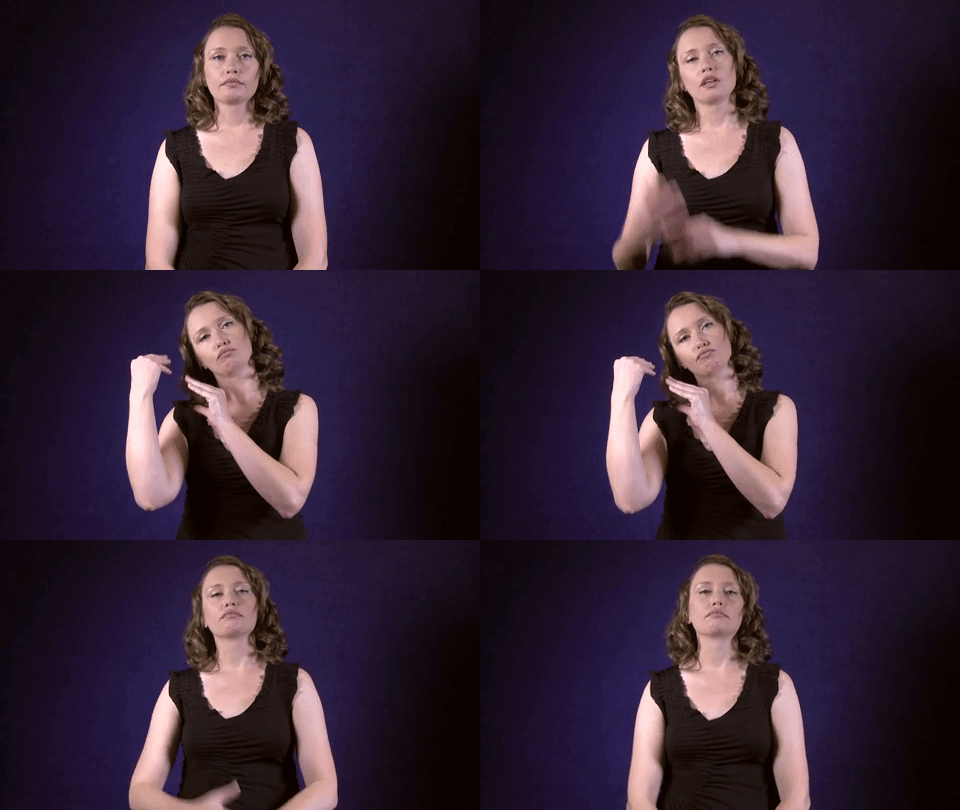
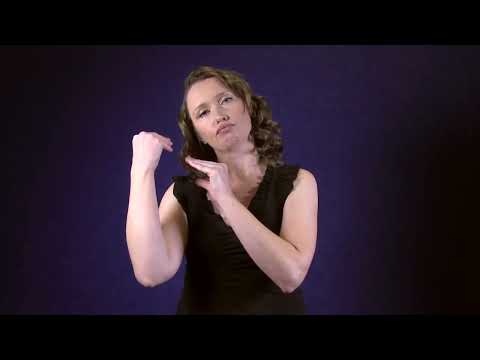
Sign for PILLOW in ASL | ️ ASL Dictionary

Definition: A cushion used to support the head while sleeping.

Sign for PILLOW in ASL

YouTube player

Practice Activities

One of the most effective ways to master the sign for PILLOW in ASL is through mirror work. Stand in front of a mirror and practice the sign repeatedly while ensuring that your handshape, facial expression, and movement match the correct form. By watching yourself, you can self-correct and become more confident with the sign’s fluid motion.

Another helpful method is recorded signing. Record yourself using the sign for PILLOW in ASL during short signed sentences or storytelling. Play the video back and observe your accuracy, clarity, and fluency. This reflective practice helps identify subtle errors and promotes long-term retention.

Using the sign in context adds depth to your learning. Incorporate the sign for PILLOW in ASL during everyday conversations or while telling a bedtime story in sign language. For example, describe your nighttime routine or talk about your favorite place to rest. This makes the sign more meaningful and easier to remember.

Advanced drills can take your learning further. Practice fingerspelling and transitioning between related signs such as BED, SLEEP, and BLANKET. Create flashcards with images and use them for quick recall exercises. These drills will strengthen your muscle memory and improve your ability to sign smoothly and naturally.

Partner work can also enhance your skill. Practice with a friend or tutor by having mock conversations that involve the sign for PILLOW in ASL. Receiving immediate feedback from a live signing partner helps fine-tune your performance and boosts your confidence in real-time communication.

SEO Cultural Context

Understanding the cultural context behind the sign for PILLOW in ASL is essential for respectful and accurate use. In Deaf culture, signs are not just gestures—they carry meaning, emotion, and cultural identity. The sign for PILLOW in ASL is commonly used in contexts involving rest, comfort, and daily routines, making it a practical and frequently used vocabulary word within the Deaf community.

Deaf individuals often use this sign when discussing bedtime routines, describing a comfortable space, or engaging in storytelling with children. The sign for PILLOW in ASL is especially useful in educational settings where teachers communicate daily schedules and personal care routines to young students or non-speaking individuals.

There may be slight regional variations in how the sign is performed, depending on which part of the United States you are in. Some signers may use one hand to mime resting the head, while others may use both hands. These variations are all acceptable and reflect the natural diversity within ASL. It’s important to remember that no single version is “more correct” than the other; instead, cultural and regional identities shape the way signs are used.

Facial expressions also play a key role in conveying meaning. When using the sign for PILLOW in ASL, a relaxed or sleepy facial expression often accompanies the sign to reflect the associated feeling. This cultural nuance enhances communication and helps convey the full meaning of the message.

Extended Definition

The sign for PILLOW in ASL typically involves mimicking the action of resting your head on a pillow. To perform this sign, bring both hands up near the side of your head, palms facing in with relaxed, slightly curved hands. Then gently tilt your head toward your hands, as if you are laying your head on a soft pillow. This iconic sign visually represents the object it names, making it easy to remember.

Some ASL users may perform this sign with just one hand, particularly in casual or fast-paced conversation. This version is still understood, although the two-handed version is generally clearer for beginners.

It’s important to distinguish the sign for PILLOW in ASL from similar signs like SLEEP or BED. While they may involve similar motions or involve the head, each sign has its own distinct movement and meaning. For example, the sign for BED uses flat hands to represent a bed’s surface, and SLEEP involves a hand closing over the face to show the eyes closing.

A common error when learning the sign for PILLOW in ASL is using rigid handshapes or failing to include the head tilt. Without this natural movement, the sign can look unnatural or be confused with others. Also, overexaggerating the motion might lead to misunderstandings. The key is to keep the movement fluid and gentle, just like the feeling of laying on a soft pillow.

Tips for Beginners

If you’re just beginning your ASL journey, the sign for PILLOW in ASL is a great vocabulary word to start with. It’s visually intuitive and often used in daily conversation. Begin by watching videos of native signers and try to mimic the motion as closely as possible.

Don’t worry if your first few attempts feel awkward. Many beginners struggle with coordinating hand movement and facial expression at the same time. Focus on getting the handshape and movement right first, then gradually add the appropriate facial expression.

A common mistake is keeping the hands too stiff or forgetting to tilt the head. Remember, ASL is a three-dimensional, expressive language. The sign for PILLOW in ASL should look and feel natural, like you’re actually resting your head. Pay attention to your body language and let the movement flow smoothly.

Practice slowly and repeat often. Use the sign in real sentences like “I need my pillow” or “Where is my pillow?” This helps you understand how the sign fits into broader communication. Over time, using the sign for PILLOW in ASL will feel second nature.

Be patient with yourself and celebrate small victories. Every time you correctly use the sign in a real conversation, you’re making progress. Keep practicing and don’t hesitate to ask Deaf friends or instructors for feedback.

Connections to Other Topics

The sign for PILLOW in ASL connects naturally to the sign for BED. Both signs are often used together when describing sleep routines or bedroom settings. BED involves placing both hands palm-down side by side under the cheek, mimicking lying down.

Another related sign is SLEEP. This sign uses one hand starting at the forehead and closing toward the chin, symbolizing eyes closing. These signs often appear together in discussions about rest, bedtime, or dreams.

The sign for BLANKET also ties in with the sign for PILLOW in ASL. It involves mimicking the action of pulling a blanket up over the body. This can be used to describe comfort or the act of going to sleep.

YAWN is another expressive sign often paired with the sign for PILLOW in ASL. It helps convey the feeling of tiredness or the need for sleep. YAWN involves opening the mouth and using a hand to mime the yawn action, often with a sleepy facial expression.

Lastly, the sign for DREAM is a conceptual cousin. DREAM uses a hand moving away from the forehead in a wavy motion, representing the idea of thoughts or dreams floating out. It’s often used in narrative contexts and connects thematically with sleep and pillows.

Lengthy Summary

Learning the sign for PILLOW in ASL is a key step toward building a meaningful and practical vocabulary in American Sign Language. This sign visually represents the act of resting one’s head on a pillow, making it easy to understand and remember. With proper handshape, movement, and facial expression, this sign fits seamlessly into daily conversations about sleep, rest, and comfort.

By engaging in mirror work, video recording, and contextual practice, learners can refine their use of the sign and build confidence in real-life communication. Advanced drills and partner practice introduce variety and challenge, helping signers grow in fluency and precision.

Culturally, the sign for PILLOW in ASL reflects the Deaf community’s rich tradition of visual storytelling and expressive communication. It is used in homes, schools, and social settings to describe rest and bedtime routines. Understanding regional variation and cultural norms ensures respectful and accurate use of the sign.

The extended definition clarifies the mechanics of the sign while distinguishing it from similar signs like BED, SLEEP, and BLANKET. It also highlights common beginner errors and offers strategies to avoid them, such as keeping the motion natural and including the proper head tilt.

For beginners, the sign for PILLOW in ASL is an accessible and encouraging entry into the world of ASL. With consistent practice and a positive attitude, learners can integrate this sign into their vocabulary quickly. Using the sign in sentences, storytelling, and daily routines reinforces memory and promotes fluency.

Related signs such as BED, SLEEP, BLANKET, DREAM, and YAWN enrich the learning experience by placing the sign in a broader thematic context. These connections help learners build meaningful conversations around everyday topics.

In summary, the sign for PILLOW in ASL is more than just a vocabulary word—it’s a gateway to expressive communication and cultural connection. Whether you’re new to ASL or building on existing skills, mastering this sign is a rewarding step in your language journey. Keep practicing, stay curious, and enjoy every step of learning American Sign Language .

Synonyms: cushion, headrest, bolster, pad, throw

Educational resources: Find related learning materials in our course bank!

Want more? Check out some of our popular learning activities on the homepage!

Need to look up a sign? Use our highly rated dictionary: https://aslinteractive.com/best-asl-dictionary/

Follow us on tiktok: https://www.tiktok.com/@aslinteractive. More social media links at the bottom of this page!

Long-tail Keywords: what is the sign for pillow in ASL, how do you sign pillow in ASL, ASL sign for pillow

Categories:

tags: sleep-related signs, home vocabulary in ASL, bedroom items in ASL, daily routine signs, ASL home essentials

Want more? Check out some of our popular learning activities!

ASL Interactive Resources

ASLInteractive YouTube Channel

Follow us on tiktok: @aslinteractive.com

Follow us on Instagram: aslinteractive

Facebook page: aslinteractive

Facebook group: aslinteractive

LInkedIn: ASL Interactive LLC

Twitter: @ASL_interactive

*Some information on this page is AI-generated. AI can make mistakes. Please check the information.


Responses