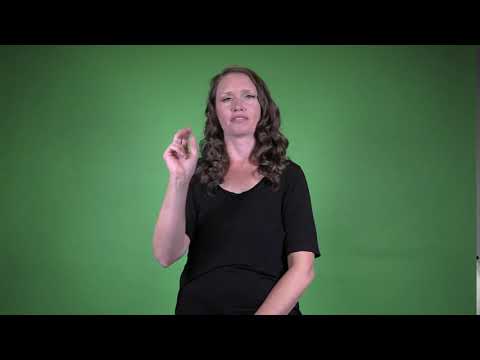
Sign for JANUARY in ASL | ❄️ ASL Dictionary

Definition: The first month of the year. Sign for JANUARY in ASL
YouTube player
Practice Activities:

Cultural Context:

Practice Activities To effectively learn and remember the sign for JANUARY in ASL, consistent and varied practice is essential. One great method is mirror work. Standing in front of a mirror allows you to compare your handshape, movement, and facial expressions with reference videos or live examples. This builds muscle memory and boosts confidence. Another helpful exercise is recorded signing. Use your phone or webcam to record yourself signing the word JANUARY in ASL multiple times. Afterward, review the footage critically, checking for accuracy in handshape, palm orientation, and movement. This helps identify small errors that might go unnoticed during live practice. Contextual signing is another powerful method. Try using the sign for JANUARY in ASL in full sentences or short dialogues. For example, say, “My birthday is in January” or “January is the first month of the year.” Signing in context helps reinforce how the sign is used in real conversations. Advanced learners can add drills to increase fluency. For instance, practice finger spelling all 12 months quickly and then isolate and sign JANUARY for clarity. Or, alternate between spelling and signing the months to build fluid transitions. Mixing the sign for JANUARY in ASL with other temporal signs like “year,” “month,” and “calendar” can help integrate it naturally into your communication. SEO Cultural Context The sign for JANUARY in ASL carries more than just a calendar reference—it sits within a larger cultural framework of how time and dates are expressed in the Deaf community. In many conversations, especially those involving scheduling, storytelling, or personal histories, month signs like JANUARY are essential. Knowing how to sign months fluently demonstrates respect for ASL grammar and cultural norms. There is some regional variation in how months are signed. In some areas, people may fingerspell the entire word “January,” especially in formal or educational settings. In casual conversation, however, it is common to abbreviate the sign using just the first few letters, such as “J-A-N.” This makes the communication faster and more efficient while still being clear. In Deaf culture, clear communication is highly valued, and that includes understanding the context in which time signs are used. The sign for JANUARY in ASL is often accompanied by facial expressions or other non-manual markers to indicate mood, urgency, or importance. For example, furrowing the brows slightly while signing JANUARY can suggest an important or memorable date. The use of time signs like JANUARY also reflects the visual and spatial nature of ASL. When telling stories, Deaf signers often establish a timeline in space—placing the past to the left and the future to the right. The sign for JANUARY in ASL may be placed in this timeline to show when an event happened or will happen. These cultural nuances enrich the meaning and use of the sign. Extended Definition The sign for JANUARY in ASL typically involves fingerspelling the first three letters: J-A-N. This abbreviated form is widely accepted and understood in the Deaf community. The movement begins with the hand in the neutral space in front of the chest, fingerspelled smoothly and clearly. While full fingerspelling of J-A-N-U-A-R-Y is also correct, it is often reserved for formal speech, educational settings, or when clarity is needed due to background noise or unclear visual conditions. One common mistake with this sign is improper hand orientation during the “J” movement. The “J” is a dynamic letter in ASL, requiring a movement that traces the letter shape. Beginners sometimes keep the hand too stiff or fail to move the pinkie finger in a smooth arc. Ensuring that the “J” flows into the “A” and “N” without breaking rhythm is key to mastering the sign for JANUARY in ASL. It’s also important to distinguish this sign from others that include similar letters. For example, the abbreviation for JUNE (often J-U-N) can look similar to JANUARY if not signed clearly. Careful articulation of each letter in the abbreviation helps prevent confusion. Practice with a fluent signer or teacher can help refine your skills and ensure that you’re using the appropriate version of the sign for JANUARY in ASL. Tips for Beginners If you’re just starting to learn the sign for JANUARY in ASL, take your time with each letter. Focus first on mastering the individual fingerspelled letters—J, A, and N. Practice them separately before combining them into a smooth string. Use slow, deliberate motion until you build enough muscle memory for fluid signing. A common beginner mistake is rushing through the letters or not completing the “J” motion fully. This can make the sign unclear or even resemble a different word. To avoid this, exaggerate each letter slightly during early practice sessions. Over time, you’ll naturally speed up while maintaining clarity. Another helpful tip is to sign in front of a mirror daily. This gives immediate visual feedback and helps you self-correct. You can also try pairing the sign for JANUARY in ASL with a visual calendar or use flashcards to reinforce the association between the sign and the written word. Try not to get discouraged if your fingerspelling feels awkward at first. Everyone starts somewhere, and with consistent practice, your hands will become more agile. Celebrate small wins—like clearly signing all three letters in sequence—and build from there. Connections to Other Topics Learning the sign for JANUARY in ASL connects naturally to the signs for other months. Each month is typically fingerspelled, so mastering JANUARY gives you a foundation to learn FEBRUARY, MARCH, and so on. Practicing all twelve months together can build fluency and confidence in time-related vocabulary. The sign also ties into the broader topic of temporal signs, such as “month,” “year,” “week,” and “day.” These signs often appear together when discussing dates, schedules, or storytelling. Understanding how to use JANUARY in context with these signs helps you become a more fluent and expressive communicator. Another related concept is fingerspelling fluency. Since the sign for JANUARY in ASL relies on fingerspelling, improving your overall fingerspelling skills will make this and other signs easier to use. Drills that reinforce letter recognition, rhythm, and transition between letters are especially useful. The concept of classifiers can also connect to signing months. While classifiers are not used in the sign for JANUARY itself, they come into play when describing events that happen during a certain month. For example, you might use a classifier to show snowfall in January or a specific location where a celebration usually happens. Finally, the sign for JANUARY in ASL often appears in storytelling and life narratives. Whether discussing New Year’s resolutions, birthdays, or historical events, knowing how to sign months allows you to share more fully in conversations and cultural exchanges within the Deaf community. Lengthy Summary Mastering the sign for JANUARY in ASL involves more than just memorizing handshapes—it requires understanding the cultural context, practicing regularly, and connecting the sign to broader language structures. This sign is primarily expressed through fingerspelling, most commonly using the abbreviation J-A-N. While full fingerspelling of the month is grammatically correct, the abbreviated form is more efficient and widely accepted in everyday use. Culturally, the sign for JANUARY in ASL plays an important role in conversations about time, schedules, and personal stories. Whether you’re sharing your New Year’s plans or talking about a birthday, this sign helps anchor the narrative in time. Deaf culture emphasizes clarity and efficiency in communication, which is why abbreviated fingerspelling is often preferred. Regional differences may exist, but the core structure remains consistent, making the sign accessible across most ASL communities. For beginners, it’s important to build a strong foundation in fingerspelling. Focus on accurate handshapes, smooth transitions, and consistent pacing. Use mirror work, video recordings, and contextual practice to reinforce your learning. Don’t be afraid to make mistakes; each attempt brings you closer to fluency. Be especially mindful of common pitfalls like stiff wrist movement during the “J” or unclear transitions between letters. As you grow more confident, connect the sign for JANUARY in ASL to other related signs and themes. Learn the names of other months, explore time-related vocabulary, and practice using the sign in full sentences. Understanding how JANUARY fits into broader conversations will deepen your fluency and improve your storytelling skills. Incorporate advanced drills to refine your fluidity and speed without sacrificing clarity. Use the sign in various contexts—from casual chats about the weather to formal presentations about historical events. Every opportunity to use the sign for JANUARY in ASL is a step toward becoming a more expressive and competent ASL user. Keep practicing, stay curious, and don’t forget to have fun along the way. The more you use the sign for JANUARY in ASL, the more naturally it will become part of your everyday communication. So set your goals, mark your calendar, and let JANUARY be the beginning of your ASL journey .

Extended Definition:

Synonyms: January, First month, New Year’s month, Winter month, Start of the year Educational resources: Find related learning materials in our course bank! Want more? Check out some of our popular learning activities on the homepage! Need to look up a sign? Use our highly rated dictionary: https://aslinteractive.com/best-asl-dictionary/ Follow us on tiktok: https://www.tiktok.com/@aslinteractive. More social media links at the bottom of this page! Long-tail Keywords: what is the sign for january in ASL, how do you sign january in ASL, january American Sign Language translation Categories: tags: months in ASL, calendar signs in ASL, dates in ASL, ASL vocabulary for months, learn ASL months

Tips for Beginners:

Connections to Other topics:

Summary:

Want more? Check out some of our popular learning activities!

ASL Interactive Resources

ASLInteractive YouTube Channel

Follow us on tiktok: @aslinteractive.com

Follow us on Instagram: aslinteractive

Facebook page: aslinteractive

Facebook group: aslinteractive

LInkedIn: ASL Interactive LLC

Twitter: @ASL_interactive

*Some information on this page is AI-generated. AI can make mistakes. Please check the information.  

Responses