Sign for WHAT? in ASL | ASL Dictionary

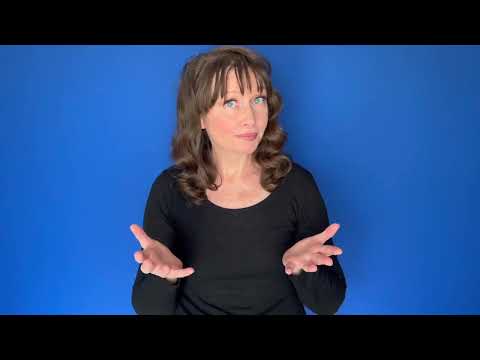
Definition: Asking for information about something (variant). Sign for WHAT? in ASL
YouTube player

Practice Activities

Practicing the sign for WHAT? in ASL is essential for fluency and comprehension in daily conversations. One effective method is using a mirror to observe your facial expressions and hand movements. Because this sign relies heavily on non-manual markers like raised eyebrows and a questioning facial expression, mirror work helps ensure accuracy. Another powerful technique is recording yourself. Use your phone or webcam to film short clips where you ask questions using the sign for WHAT? in ASL. Watch the recordings to check for clarity, speed, and fluidity. This also trains your brain to become more aware of your signing habits. Contextual practice is another valuable exercise. Try incorporating the sign for WHAT? in ASL into everyday interactions with other signers or in ASL classes. For example, ask “WHAT?” after someone signs something unclear. You can also create dialogues that include questions, reinforcing your understanding of how this sign fits into broader conversations. Advanced drills can include speed signing, switching between WH-questions, or signing full sentences where WHAT? appears in different positions. Try pairing WHAT? with signs like NAME, WHERE, or TIME to build your question-asking fluency. The more you use the sign in varied contexts, the more natural it will become.

SEO Cultural Context

Understanding the cultural context behind the sign for WHAT? in ASL is vital for respectful and effective communication. In Deaf culture, facial expressions are not just emotional indicators—they’re grammatical markers. The sign for WHAT? in ASL is almost always accompanied by a furrowed brow and a slight head tilt. This non-manual signal shows that a question is being asked. In many Deaf communities, directness is valued. The sign for WHAT? in ASL is used frequently in conversations to clarify or ask for more information. It is not considered rude or abrupt; rather, it shows engagement and a desire to understand. Knowing when and how to use this sign appropriately helps build stronger interactions with Deaf individuals. There may be slight regional variations in how the sign is performed. Some signers may move their hands more slowly or emphasize different facial expressions. However, the essential elements—open palms facing up with a shaking movement and questioning expression—are widely understood. Being aware of these small differences shows linguistic sensitivity and awareness.

Extended Definition

The sign for WHAT? in ASL involves both manual and facial components. To create the sign, extend both hands in front of you, palms facing up, fingers slightly spread. Move your hands side to side in a small, gentle motion. Simultaneously, raise your eyebrows and tilt your head slightly forward or to the side. This facial expression is crucial—it marks the sentence as a question. This sign functions as a WH-question, meaning it is used when you are seeking specific information, not just a yes or no answer. It often appears at the end of a sentence, but ASL grammar allows flexibility, so it can also appear at the beginning or even stand alone. It’s important not to confuse the sign for WHAT? in ASL with similar gestures in other cultures or even in Signed Exact English (SEE). Beginners sometimes mistakenly use a shrug or omit the facial expression, which can change the meaning or make the sign unclear. Additionally, avoid mouthing the English word “what” as this is not necessary in ASL and can be distracting. Related signs include WHO, WHERE, WHEN, WHY, and HOW. These WH-questions work similarly in structure but have distinct handshapes and movements. Learning them as a group helps reinforce the grammar and usage patterns of ASL questions.

Tips for Beginners

If you’re just starting to learn the sign for WHAT? in ASL, focus first on the facial expression. Many beginners struggle with non-manual markers because they feel unnatural at first. Practice raising your eyebrows and tilting your head while keeping a neutral but inquisitive look. Pay attention to the movement of your hands. The slight side-to-side motion should be smooth and controlled, not exaggerated or jerky. Over-signing can make your questions appear overly dramatic or confusing. A common beginner mistake is signing too slowly or forgetting to include the facial expression. This can make your sign look more like a statement than a question. Practice in front of a mirror or with a fluent signer who can give you feedback. Don’t be discouraged if your signing doesn’t look perfect at first. The sign for WHAT? in ASL is foundational, so it’s one you’ll use often and improve over time. Consistent practice and exposure are key. Also, observe native signers by watching ASL videos online to see how they naturally use this sign in conversation.

Connections to Other Topics

The sign for WHAT? in ASL is closely connected to the broader category of WH-questions in ASL. These include signs like WHO, WHERE, WHEN, WHY, and HOW. Learning them together helps you understand the grammatical structure of ASL questions and how facial expressions change depending on context. Another related concept is ASL sentence structure. Unlike English, ASL uses a topic-comment structure, and WH-questions often appear at the end of a sentence. Practicing the sign for WHAT? in ASL in different sentence placements helps you become more fluent in ASL grammar. The sign for WHAT? in ASL also connects to clarification strategies. In Deaf culture, it’s common to ask for repetition or clarification when something is not understood. Signs like AGAIN, SLOW, or EXPLAIN are often used alongside WHAT? in natural conversations. Vocabulary related to daily routines or social interactions often includes the sign for WHAT? in ASL. For example, asking “WHAT time?” or “WHAT’s your name?” are common beginner phrases. Using WHAT? in these contexts builds your conversational skills. Additionally, the sign fits into the broader topic of ASL pragmatics—how meaning is conveyed through context, facial expressions, and cultural norms. Understanding the pragmatics of the sign for WHAT? in ASL deepens your overall fluency and cultural competence.

Lengthy Summary

The sign for WHAT? in ASL is a core element of everyday communication in American Sign Language. It combines a specific handshape with palm-up, slightly spread fingers and a gentle side-to-side motion. But what truly makes this sign effective is the facial expression—raised eyebrows and a questioning look that signal you’re seeking information. This sign appears in a wide variety of conversational contexts. Whether you’re asking for clarification, posing a question, or expressing confusion, the sign for WHAT? in ASL helps you stay engaged in a dialogue. It’s also culturally significant, reflecting the Deaf community’s value on clarity, expressiveness, and direct communication. Practicing this sign involves multiple strategies, from mirror work to contextual use in conversations. For advanced learners, using the sign in combination with other WH-questions or within full sentences boosts both comprehension and fluency. Beginners should focus on mastering the non-manual signals and avoiding common pitfalls like over-signing or omitting facial expressions. The sign for WHAT? in ASL connects naturally to other essential signs like WHO, WHY, and WHERE. These signs share grammatical patterns and facial expressions, making it effective to learn them as a group. Understanding how these signs function within the sentence structure of ASL also enhances your grammatical knowledge. Culturally, being able to use this sign appropriately shows respect and awareness of Deaf norms. It allows you to participate fully in conversations and fosters deeper connections with the Deaf community. Regional variations are slight, but being open to them shows linguistic flexibility and cultural respect. In sum, the sign for WHAT? in ASL is more than just a vocabulary word—it’s a gateway to deeper communication and cultural understanding. Practice it often, use it in real conversations, and pay close attention to both manual and non-manual components. The more you explore ASL through signs like WHAT?, the more confident and connected you’ll feel as a signer. Keep signing, keep asking, and keep learning! ✨ Synonyms: what, which, that, which one, whichever Educational resources: Find related learning materials in our course bank! Want more? Check out some of our popular learning activities on the homepage! Need to look up a sign? Use our highly rated dictionary: https://aslinteractive.com/best-asl-dictionary/ Follow us on tiktok: https://www.tiktok.com/@aslinteractive. More social media links at the bottom of this page! Long-tail Keywords: Categories: tags: question words in ASL, ASL vocabulary, asking questions in ASL, ASL dictionary organization, basic ASL signs

Want more? Check out some of our popular learning activities!

ASL Interactive Resources

ASLInteractive YouTube Channel

Follow us on tiktok: @aslinteractive.com

Follow us on Instagram: aslinteractive

Facebook page: aslinteractive

Facebook group: aslinteractive

LInkedIn: ASL Interactive LLC

Twitter: @ASL_interactive

*Some information on this page is AI-generated. AI can make mistakes. Please check the information.  

Responses